

Over a million women who served are not receiving the VA benefits they earned. The single biggest reason isn’t paperwork or eligibility rules — it’s that many of them don’t call themselves veterans.
If you raised your hand, wore the uniform, and served, you are a veteran. Everything else follows from accepting that.
The Numbers
Women are the fastest-growing segment of the veteran population, and the shift is substantial.
| Measure | Where Things Stand |
|---|---|
| Women as a share of all veterans | Roughly 11% today — about 2.1 million women |
| Projected share by 2040 | Around 18% |
| Enrolled in VA benefits | Fewer than half |
| Not receiving earned benefits | Over one million women |
The gap between “eligible” and “enrolled” is the story. These are earned benefits going unclaimed, not benefits being denied.
The Identification Problem
Research consistently finds that men self-identify as veterans more readily than women do. Some women who served genuinely don’t know the term applies to them — particularly those who served in support roles, didn’t deploy, or served decades ago when the culture around women’s service was different.
It shows up in small, telling ways. A woman gets asked whether her husband served. A VA clinic assumes she’s a caregiver rather than the patient. A form asks about “his” service history.
The practical consequence is significant: if you don’t think of yourself as a veteran, you don’t apply for veterans’ benefits, join a veterans organization, or mention service history to a doctor who ought to know it.

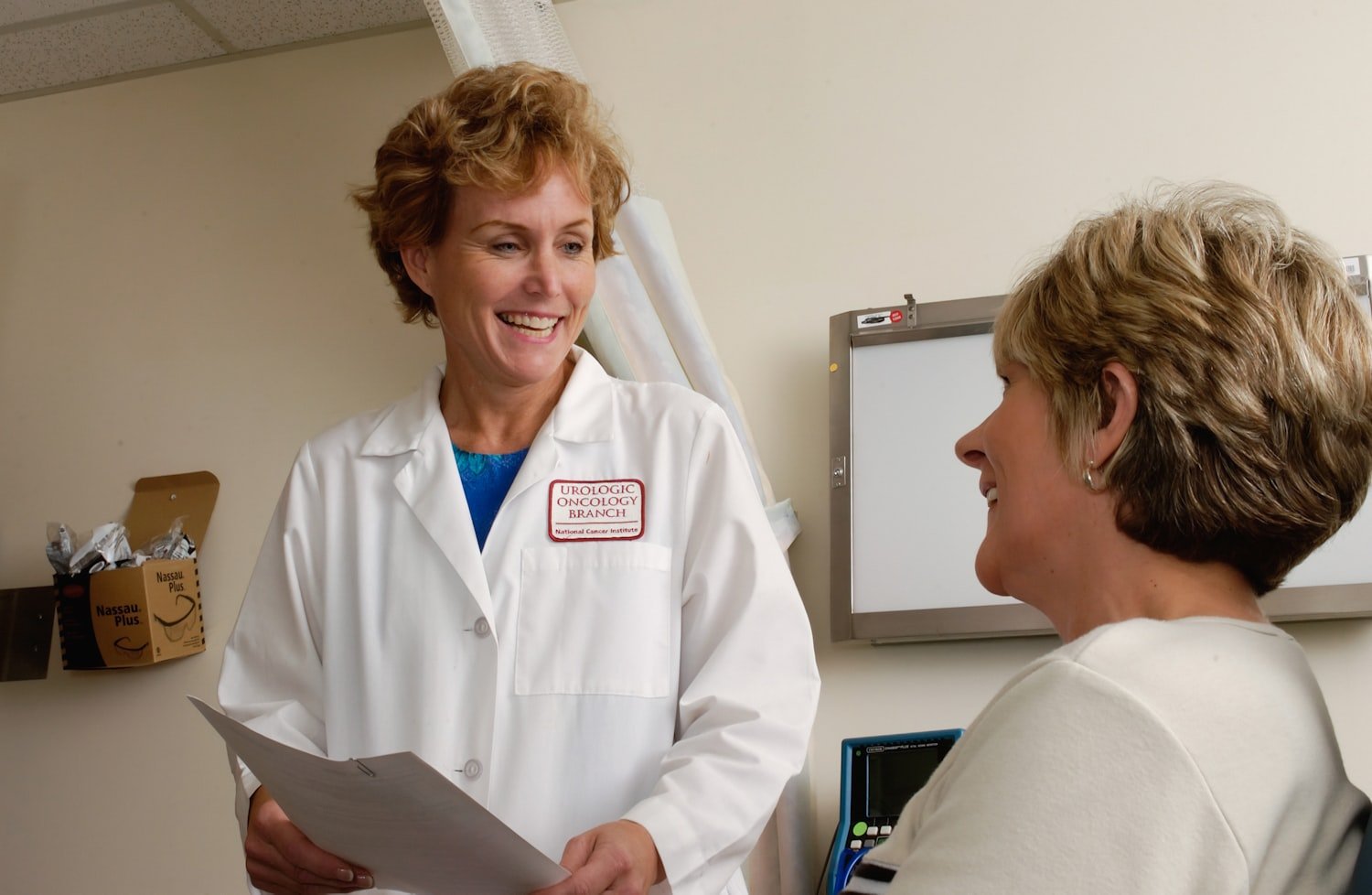
What VA Women’s Health Actually Offers
A common assumption is that VA health care means basic care with anything women-specific handled elsewhere. That hasn’t been true for a long time.
- Designated Women’s Health Primary Care Providers — clinicians with specific training in women’s health.
- Gynecological and reproductive care, including maternity care coordination.
- Breast and cervical cancer screening.
- Mental health services, including care related to Military Sexual Trauma, available regardless of whether you filed a report at the time.
- Women Veterans Program Managers at VA facilities, whose job is specifically to help women navigate the system.
The VA’s Women’s Health program publishes current facts and statistics on services and enrollment.
A Long History, Recently Recognized
Women’s military service is not new — formal recognition of it is.
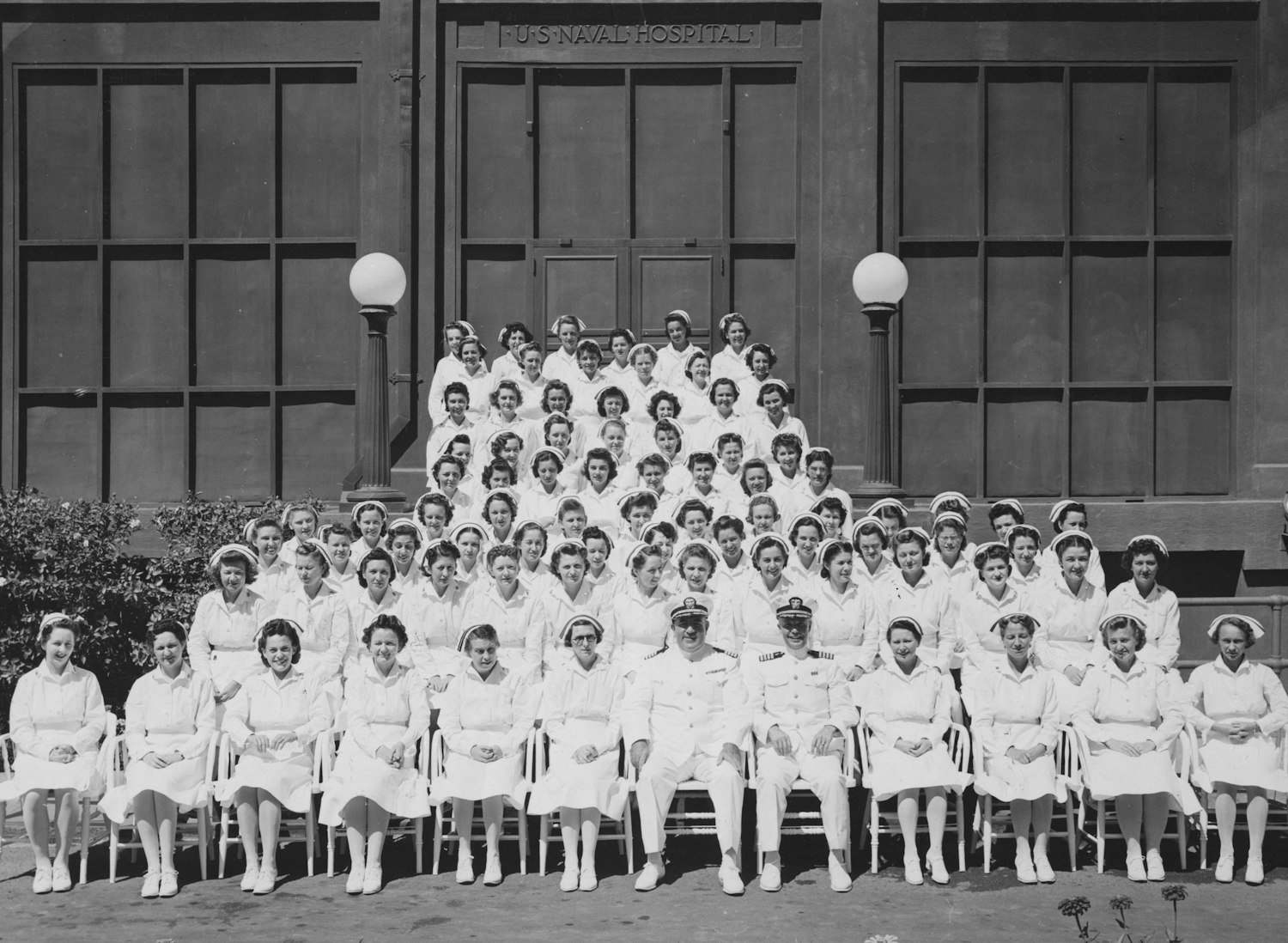
Women served as Army and Navy nurses through both World Wars, as WACs, WAVES, and WASPs in the Second World War, and in expanding roles through Korea, Vietnam, and after. What changed slowly was legal status: for much of that history, women served under separate authorities, with different benefits, and sometimes without veteran status at all.
The clearest example is the WASPs — Women Airforce Service Pilots who flew military aircraft during World War II. They were not recognized as veterans until the GI Bill Improvement Act of 1977, more than three decades after the war ended.
Until then they could not use the GI Bill for college or a home loan, and could not be treated at a military hospital — even for hearing loss caused by flying military aircraft. Recognition came only after the surviving WASPs organized at a 1972 reunion, ran a public campaign, gathered petition signatures, and testified before Congress to be acknowledged as what they already were.
That history has a direct present-day effect: it produced generations of women who were told, structurally, that their service counted differently. The identification gap didn’t come from nowhere.
Benefits That Get Overlooked
- MST-related care. Available free of charge, without needing a service-connected rating, and without having reported the incident during service.
- Disability compensation for service-connected conditions — including conditions that present differently in women and were historically under-diagnosed.
- The VA home loan, which applies identically regardless of gender but is claimed at lower rates by women.
- Education benefits through the Post-9/11 GI Bill.
- PACT Act presumptive conditions, which apply based on where and when you served.
- Burial in a national cemetery in your own right — not as a spouse. Our burial benefits guide covers this.
That last one deserves emphasis. A woman veteran is entitled to full military honors and a government headstone on the basis of her own service.

Women in the Legion Since Day One
There’s a persistent assumption that veterans organizations are for men and that women belong to the auxiliary. That’s not how the American Legion was actually built.
140 women veterans of World War I were delegates at the Legion’s first national convention in November 1919 — and that convention passed a resolution calling for equal treatment of women who served, nearly a year before the 19th Amendment was ratified. Our account of how the Legion was founded in 1919 covers it.
Women veterans join the American Legion as members on their own service, exactly like anyone else. The Auxiliary is a separate organization for family members of veterans — worth understanding, because women veterans are sometimes steered toward it by people who assume that’s where they belong.
If Someone in Your Life Served
Plenty of readers here aren’t women veterans themselves but know one — a sister, a daughter, a mother, a friend who mentioned service once and never again.
The most useful thing you can do is ask directly and take the answer seriously. “Are you getting your VA benefits?” is a fair question. So is offering to sit with someone through a first appointment.
It’s also worth noticing language. Assuming the veteran in a couple is the man, or that a woman at a Legion post is someone’s spouse, reinforces exactly the pattern that keeps benefits unclaimed.
Where to Start
- Locate your DD-214. Our guide to requesting a free copy covers it if yours is missing.
- Enroll in VA health care and ask specifically for a Women’s Health Primary Care Provider.
- Ask for the Women Veterans Program Manager at your VA facility — that role exists to help.
- See a service officer. Free, accredited help is covered in our service officer guide.
- Say the word. Tell your civilian doctor you’re a veteran. It changes what they screen for.
Frequently Asked Questions
Am I a veteran if I never deployed?
Yes. Veteran status is based on service, not deployment or combat. Support roles, stateside assignments, and short service periods all count.

Can women join the American Legion as members?
Yes. Women veterans join on their own service, with the same eligibility as any other veteran. The Auxiliary is a separate organization for family members.
Does the VA provide women’s health care?
Yes, including designated women’s health providers, gynecological and maternity care, cancer screening, and mental health services.
Do I need to have reported MST to get care for it?
No. MST-related care is available free of charge without a service-connected rating and without having filed a report during service.
How many women veterans are there?
Roughly 2.1 million, about 11% of all veterans, projected to reach around 18% by 2040.
Can I be buried in a national cemetery on my own service?
Yes. Women veterans are entitled to burial and military honors based on their own service, not as a spouse.
You Earned It
The most useful thing in this article is the simplest: call yourself what you are. Everything else — health care, compensation, a home loan, a place at a Legion post — follows from that. Post 51 welcomes women veterans as members; call (541) 451-1351 or see our membership guide.