
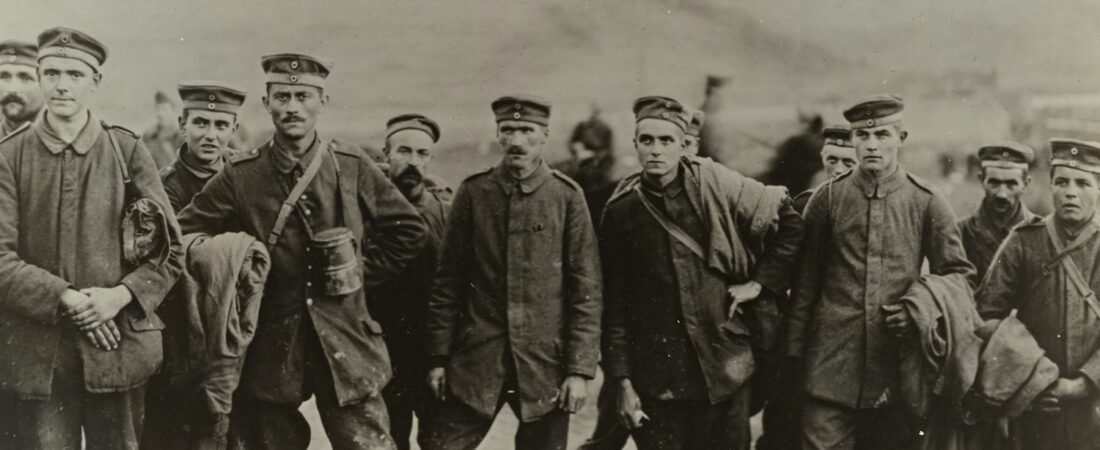
The American Legion wasn’t founded in Washington, or at a veterans hall, or after the men got home. It was founded in Paris in March 1919, by soldiers who hadn’t been discharged yet and were worried about what would happen to them when they were.
Here’s how the organization came together in nine months of 1919 — and one detail from its first convention that most histories skip past.
1919: The Founding Year, Step by Step
| Date | Event | What Happened |
|---|---|---|
| March 15–17, 1919 | Paris Caucus | ~1,000 officers and enlisted men of the American Expeditionary Force adopt a temporary constitution and the name “The American Legion” |
| May 8–10, 1919 | St. Louis Caucus | The name is formally adopted; draft preamble and constitution approved |
| September 16, 1919 | Congressional charter | Congress charters The American Legion |
| November 10–12, 1919 | First National Convention, Minneapolis | ~15,000 delegates; constitution and preamble adopted; Indianapolis chosen as headquarters |
Nine months from an idea floated in occupied France to a Congressionally chartered national organization with more than 684,000 members. Few organizations of any kind have assembled that fast.
Why Paris?
Because that’s where the soldiers were. The American Expeditionary Force was still in France, demobilization was slow, and morale was deteriorating. A group of roughly twenty officers began discussing an organization that could hold veterans together after the war — with Lieutenant Colonel Theodore Roosevelt Jr., son of the former president, credited with proposing it.
The concern was concrete rather than sentimental. Civil War veterans had come home to inconsistent pensions and no organized advocacy. These men had watched that happen to their grandfathers’ generation and intended to avoid a repeat.
The Detail Most Histories Skip
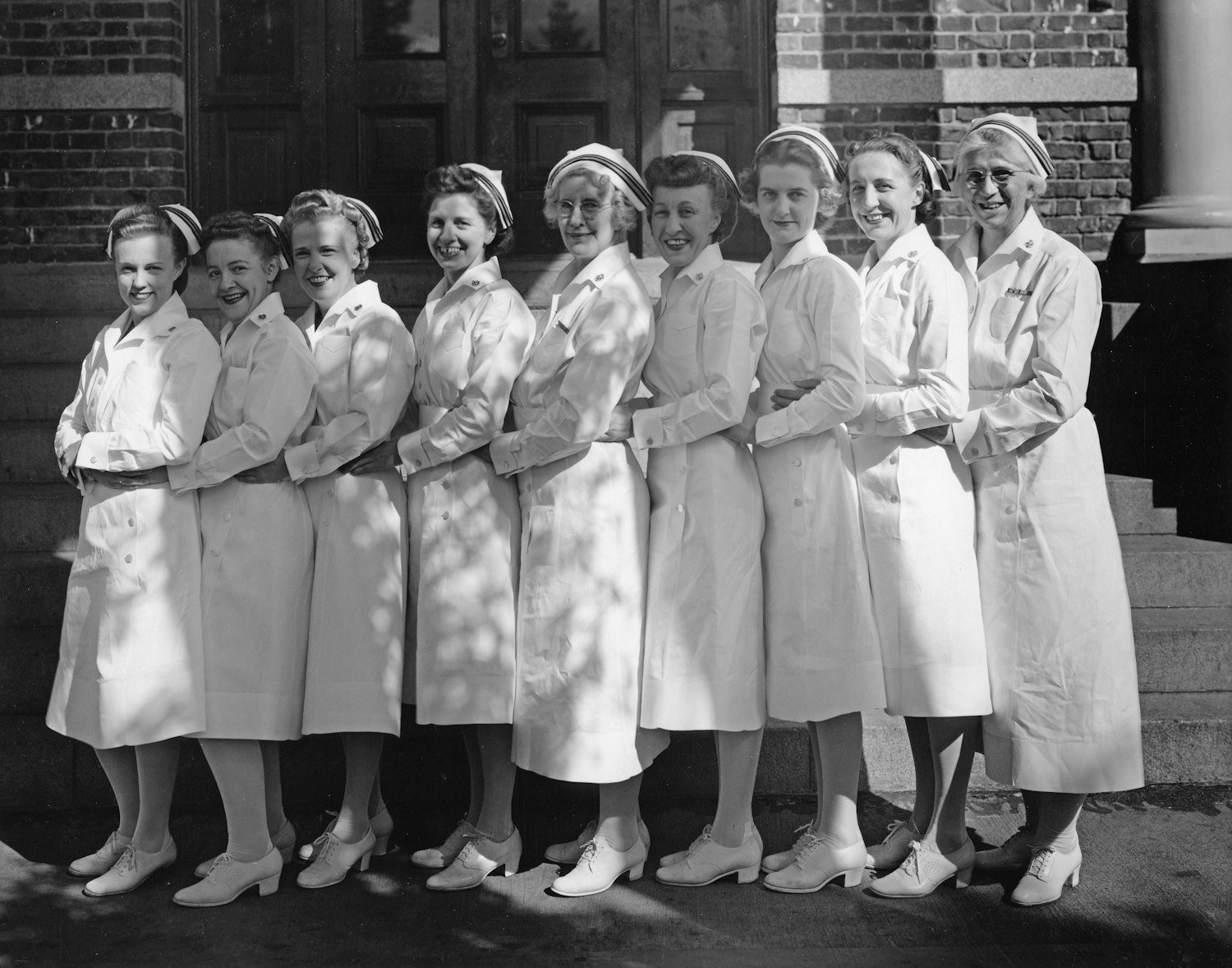
Among the delegates at the Minneapolis convention in November 1919 were 140 women veterans of World War I — largely nurses and other personnel who had served overseas.
They weren’t observers. One of the 50 resolutions the convention approved, out of 350 considered, called for equal treatment for women who had served in the war. In 1919 — before women nationwide could vote, since the 19th Amendment wouldn’t be ratified until the following August.
It’s a genuinely striking fact about an organization often remembered as an old boys’ club, and it’s rarely mentioned in summaries of the Legion’s founding.
What the First Convention Actually Decided
Delegates worked through 350 resolutions and approved just 50 — a ratio that says something about how seriously they took the exercise. Among what passed:
- Equal treatment for women who served in the war.
- Employment programs for returning veterans.
- Fair government benefits for those who came home disabled.
- Support for the Boy Scouts — an early signal of the youth focus that still runs through Legion youth programs today.
- Patriotic exercises in schools.
- Establishment of an air branch of the armed services — decades before the Air Force existed as a separate service.
They also voted, 361 to 323, to headquarter the organization in Indianapolis rather than Washington, D.C. The reasoning was that distance from the capital would keep the Legion closer to its members and less absorbed into political machinery.

How It Spread So Fast
684,000 members in nine months raises an obvious question: how? The answer is that the Legion didn’t build from the top down. It grew through local posts formed by men who already knew each other from service, chartered in whatever building a town could offer.
The Minnesota Historical Society’s account of the Legion’s early years in the state where that first convention met documents the pattern: posts organizing in rapid succession, often within weeks of each other, driven by returning veterans rather than national organizers.
That structure is why the organization still works the way it does. A post is not a branch office. It charters locally, elects its own officers, and decides its own programs — which is why what happens at a post in Lebanon can look quite different from one three states away.
The First Big Win: The Veterans Bureau
The Legion’s advocacy produced a concrete result fast. On August 9, 1921 — less than two years after the charter — Congress created the U.S. Veterans Bureau, consolidating veteran services that had been scattered across agencies.
That bureau became the Veterans Administration, and eventually today’s Department of Veterans Affairs. The system that service officers help veterans navigate a century later traces directly to that first push.

From 1919 to Lebanon, Oregon in 1926
The national organization spread through local posts, and it reached Lebanon quickly. Santiam Post 51 was instituted in April 1926 with a charter list of 42 members — just seven years after the Paris caucus.
The Lebanon Express account of that founding meeting, reprinted on our Post 51 history page, captures how the national mission read at ground level. A state commander told the new members the Legion was “assisting in taking care of orphans of comrades, caring for the disabled men, and above all preserving the memories and associations of the great war.”
The Post adopted “Community Service” as its watchword — and the Preamble to the Legion’s Constitution, adopted at that first Minneapolis convention, remains the organization’s statement of purpose today.
What the Founders Got Right
Reading the 1919 resolutions a century later, what stands out is how much of the agenda was eventually adopted as national policy.
- Organized veteran advocacy — the Veterans Bureau arrived within two years, and the modern VA grew from it.
- A separate air service — the Air Force became independent in 1947, 28 years after Legion delegates called for it.
- Benefits for disabled veterans — now the core of the VA disability compensation system.
- Veteran employment programs — a thread running from 1919 through the GI Bill and into today’s hiring initiatives.
Not everything aged equally well, and the Legion of 1919 reflected its era in ways later generations revisited. But the founding bet — that veterans would be treated better if they organized before they needed help rather than after — proved correct.
Frequently Asked Questions
When was The American Legion founded?
It began at a caucus in Paris on March 15–17, 1919, was chartered by Congress on September 16, 1919, and held its first national convention in Minneapolis that November.
Who founded The American Legion?
A group of about twenty officers of the American Expeditionary Force, with Lieutenant Colonel Theodore Roosevelt Jr. credited with proposing the organization.
Why was it founded in France?
Because American troops were still stationed there awaiting demobilization after World War I, and the founders wanted an organization in place before everyone scattered home.
Were women involved from the beginning?
Yes. 140 women veterans of World War I were delegates at the first national convention, which passed a resolution calling for equal treatment of women who served — nearly a year before the 19th Amendment was ratified.
Why is the Legion headquartered in Indianapolis?
Delegates voted 361–323 at the 1919 convention to locate national headquarters there rather than in Washington, D.C.
What did the Legion accomplish first?
Its advocacy helped create the U.S. Veterans Bureau in August 1921, the forerunner of today’s Department of Veterans Affairs.
A Century On
What began with a thousand uniformed men in a Paris hall now runs through thousands of local posts — including one on South Main Street in Lebanon. To learn how Post 51 carries it forward, see our membership guide or call (541) 451-1351.