

The DD-214 is the document that proves you served. It’s required for VA benefits, home loans, burial in a national cemetery, most veteran discounts, and joining organizations like the American Legion.
Losing it is common, and replacing it is free — despite what a number of websites charging $40 to $200 would like you to believe. Here’s how to get yours.
Three Ways to Request It
| Method | Best For | Typical Speed | Cost |
|---|---|---|---|
| milConnect | Recent separations with digitized records | Immediate download if available | Free |
| eVetRecs (online, archives.gov) | Most veterans and next of kin | Around 10 working days for routine requests | Free |
| SF-180 (paper form) | Older records, complex requests, or third-party requesters | Similar, faster if faxed than mailed | Free |
Start with milConnect if you separated relatively recently — if your Official Military Personnel File has been digitized, you may be able to download the document in minutes rather than waiting weeks.

Where the Records Actually Live
Most military personnel files are held by the National Personnel Records Center in St. Louis, part of the National Archives and Records Administration. The National Archives’ military service records page is the authoritative starting point for any request.
Emergency Requests Move Faster
If you need the record urgently — for a funeral, a burial in a national cemetery, or a home loan closing — say so explicitly when you submit. Emergency requests are typically handled in one to five business days rather than the standard timeline.
What Information to Have Ready
Requests get delayed most often because they’re incomplete. Gather what you can before you start — you don’t need all of it, but every item improves your odds of a match.
- Full name used during service, including maiden or former names.
- Service number and/or Social Security number. Service numbers were used before the SSN transition in the late 1960s and early 70s.
- Branch of service.
- Approximate dates of service — entry and discharge.
- Date and place of birth.
- Place of discharge, if known.
For a deceased veteran, you’ll also generally need proof of death, such as a death certificate or published obituary.
What the DD-214 Actually Contains
It’s worth knowing what you’re asking for, because different copies exist. Some versions omit the character of discharge and the narrative reason for separation.
The Member 4 copy is the complete version, and it’s the one the VA and most agencies want. If you’re requesting a replacement, ask specifically for the undeleted or Member 4 copy — otherwise you may receive a short-form version that a benefits office will reject.
Who Can Request a DD-214
- The veteran, at any time.
- Next of kin of a deceased veteran — surviving spouse, parent, child, or sibling. Proof of death is generally required.
- Anyone else, but only limited information is releasable without the veteran’s written authorization, due to privacy law.
- Anyone at all, once 62 years have passed since separation. At that point the file becomes archival and opens to the public — the threshold that governs researching a veteran ancestor’s military records.

The 1973 Fire: Why Some Requests Come Back Empty
This is the part most guides don’t explain, and it accounts for an enormous share of frustrated searches.
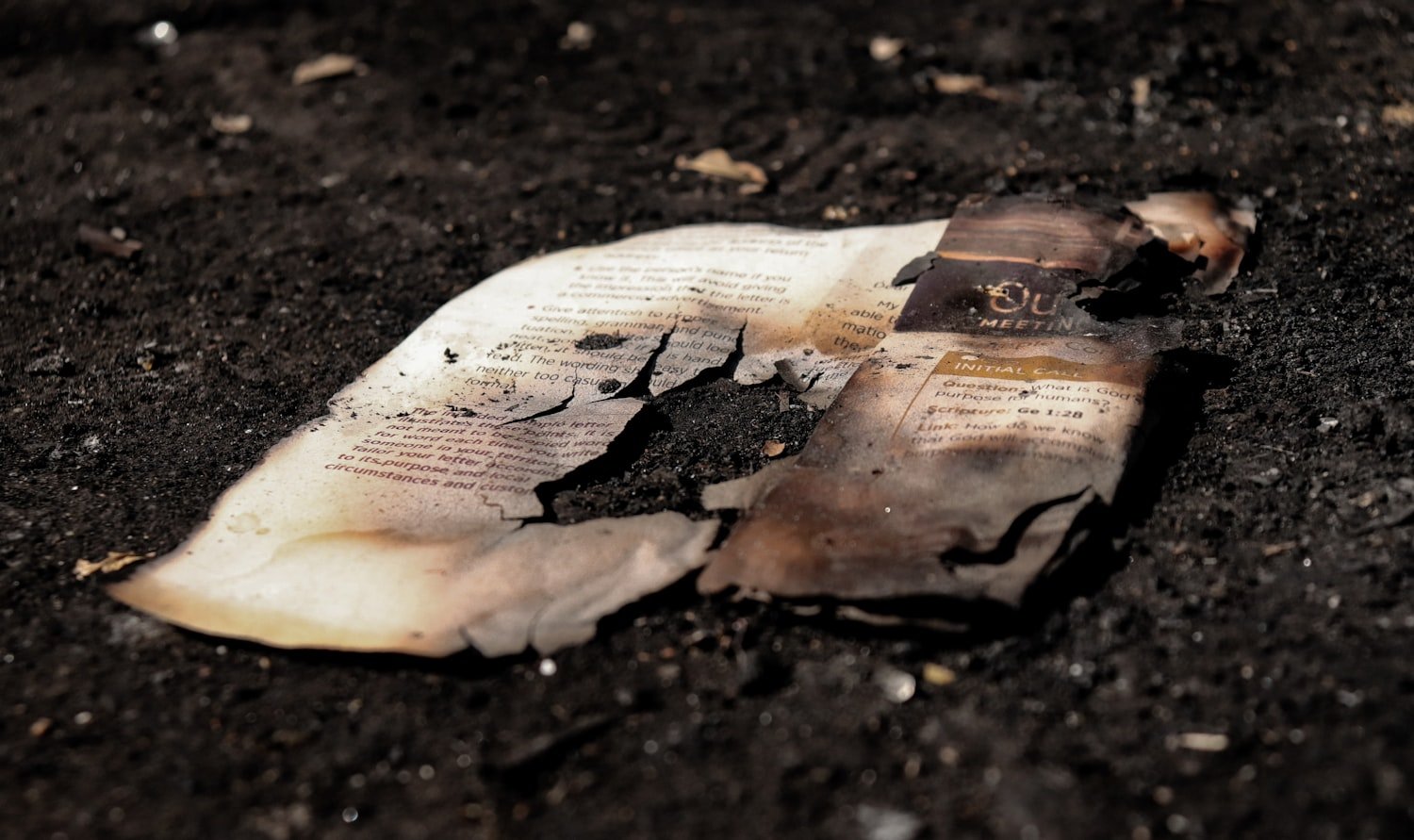
On July 12, 1973, a fire at the National Personnel Records Center in St. Louis burned for 22 hours and destroyed an estimated 16 to 18 million Official Military Personnel Files. There were no duplicates, no microfilm copies, and no index of what had been lost.
The damage was not evenly distributed:
- Army personnel discharged November 1912 – January 1960: roughly 80% of records destroyed.
- Air Force personnel discharged September 1947 – January 1964 (surnames alphabetically after Hubbard, James E.): roughly 75% destroyed.
If your service or a relative’s falls in those windows, a request may come back with little or nothing. That isn’t the end of the road.
How Records Get Reconstructed
Archivists rebuild service histories from alternate sources that survived elsewhere. When you submit a request for a fire-affected record, provide as much detail as you can — service number, dates, unit, and place of discharge — because these sources are searched by different keys than a personnel file would be.
Alternate sources include:
- VA claims files
- Individual state records
- Multiple Name Pay Vouchers from the Adjutant General’s Office
- Selective Service registration records
- Pay records from the Government Accounting Office
- Military hospital medical records and entrance/separation X-rays
- Organizational and unit records
Reconstruction can produce an NA Form 13038 certification of military service, which many agencies accept in place of a DD-214.

What If You Never Received One?
A few situations produce no DD-214 at all, and knowing which applies saves a lot of wasted searching.
- Service before 1950. The DD-214 form was introduced around 1950. Earlier separations used other documents — WD AGO forms for the Army, NAVPERS forms for the Navy — which serve the same purpose.
- Currently serving. A DD-214 is issued at separation or retirement, not during service. Active-duty personnel use other verification.
- Reserve or National Guard service without federal activation. These members may hold an NGB-22 or a retirement points statement instead.
If you’re unsure which document applies to your situation, that’s exactly the kind of question a service officer answers in a few minutes.
Don’t Pay for This
Search results for “get my DD-214” surface a number of commercial services that charge for what the government provides free. They submit the same forms you can submit yourself.
If the paperwork feels daunting, the better answer is an accredited service officer, who will help at no charge — the same free assistance covered in our guide to American Legion service officers and VA claims. Post 51 can point you toward that help.
Once You Have It, Protect It
- Make certified copies. Many county recorder offices will record a DD-214 free of charge, creating a permanent local backup.
- Store a digital copy securely. The document contains your Social Security number — encrypt it or keep it offline.
- Tell your family where it is. Survivors need it for burial benefits and a military headstone, often on short notice.
- Don’t post it publicly. It’s a comprehensive identity-theft package in a single page.

Frequently Asked Questions
How much does it cost to replace a DD-214?
Nothing. Requests through milConnect, eVetRecs, or the SF-180 are free. Any site charging a fee is a commercial middleman.
How long does it take?
Routine requests average around 10 working days. Emergency requests for burials or loan closings are typically handled in one to five business days.
Can a family member request a deceased veteran’s records?
Yes. Next of kin — surviving spouse, parent, child, or sibling — may request them, generally with proof of death.
What if my records burned in the 1973 fire?
Archivists reconstruct service histories from alternate sources such as VA claims files, pay vouchers, and Selective Service records, and can issue a certification of military service that most agencies accept.
Whose records were affected by the fire?
Primarily Army personnel discharged between 1912 and 1960, and Air Force personnel discharged between 1947 and 1964 with surnames alphabetically after Hubbard, James E.
Do I need a DD-214 to join the American Legion?
Proof of eligible service is required, and a DD-214 is the standard document. A service officer can help if you don’t have yours yet.
Get It Sorted Now
The worst time to discover the DD-214 is missing is when a family needs it for a funeral. If yours is unaccounted for, start the request today — and if you’d rather have help, call Post 51 at (541) 451-1351.