
If you were told years ago that your illness wasn’t service-connected, that answer may simply be out of date.
The PACT Act, signed August 10, 2022, is the largest expansion of veterans’ benefits in decades. It moved a long list of conditions into “presumptive” status — meaning the VA now concedes the connection to service instead of asking you to prove it.
What “Presumptive” Actually Means
This is the concept that changes everything, and it’s worth understanding precisely.
Normally, a disability claim requires you to establish a link between your condition and your service — often the hardest part of the whole process. A presumptive condition removes that burden. If you served in a covered location during a covered period and you have a listed condition, the VA presumes the connection.
You still have to file. Presumption isn’t automatic payment — it’s a shortcut through the hardest step.
Who and What the PACT Act Covers
| Exposure Category | Generally Covers |
|---|---|
| Burn pits & airborne hazards | Service in Southwest Asia and certain other locations from August 2, 1990 onward, and additional locations from September 11, 2001 onward |
| Agent Orange | Vietnam-era service, with the PACT Act adding new locations and conditions |
| Camp Lejeune water contamination | Service at Camp Lejeune or MCAS New River between August 1, 1953 and December 31, 1987 |
| Radiation exposure | Certain response and cleanup operations |
| Other toxic exposures | Additional categories covering oil well fires, sulfur fires, and more |
The burn pit provisions are notably broad: coverage generally depends on where and when you served, not on your job or how close you were to a specific pit.
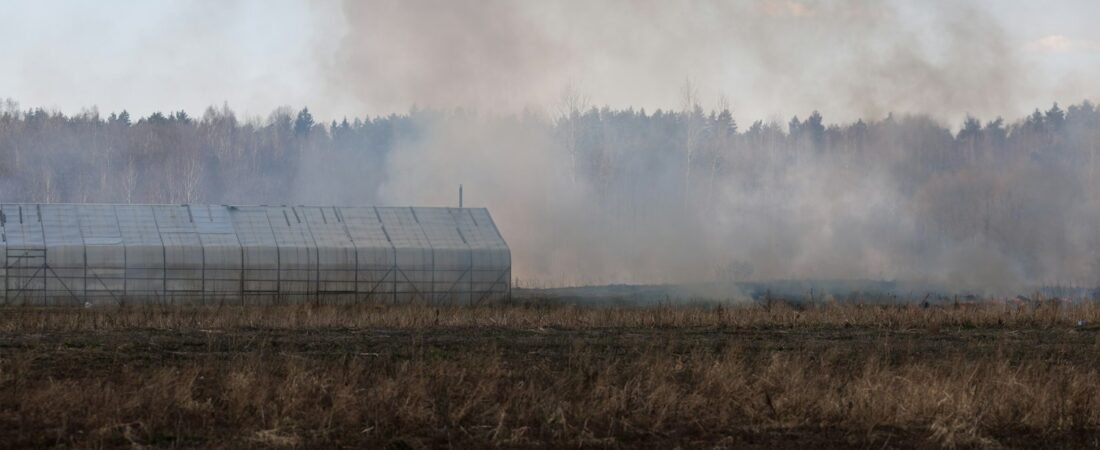
That breadth is deliberate. Burn pits were used to dispose of everything from plastics and medical waste to vehicle parts, often continuously and close to living quarters. Someone working in an office on that base breathed the same air as someone assigned to the pit itself, and the law reflects that.

Camp Lejeune Is Its Own Category
Worth calling out separately because the timeframe is so long — 1953 to 1987 — and covers Marines, families, and civilian workers who lived or worked on base.
Presumptive conditions tied to Camp Lejeune water contamination include adult leukemia, aplastic anemia and other myelodysplastic syndromes, bladder cancer, kidney cancer, liver cancer, multiple myeloma, non-Hodgkin’s lymphoma, and Parkinson’s disease.
If a relative served at Camp Lejeune during those years and later developed one of those conditions, that’s worth raising with a service officer even if they’ve since passed — survivor benefits may apply.
The Free Toxic Exposure Screening
Every veteran enrolled in VA health care is offered an initial toxic exposure screening, with follow-up screenings roughly every five years.
It’s a short questionnaire rather than an invasive exam, and it does two useful things: it documents your exposure history in your record, and it flags you for relevant follow-up as the presumptive lists expand. If you’re not enrolled, our guide to VA health care enrollment and priority groups covers how to get in.

Why This Took So Long
Understanding the history explains why so many veterans stopped trying.
For years, veterans reporting respiratory illness and rare cancers after deployments were told the evidence linking their conditions to burn pit smoke was inconclusive. Claims were denied not out of malice but because the legal standard required proof of a connection that individual veterans had no realistic way to produce.
The same pattern played out decades earlier with Agent Orange, where recognition arrived slowly and posthumously for many. The PACT Act’s core move was shifting the burden: rather than asking sick veterans to prove causation, it accepts service in a contaminated environment as sufficient.
That’s why a decade-old denial deserves a second look. The facts of your service didn’t change — the standard applied to them did.
Previously Denied? File Again.
This is the section that matters most for older veterans.
If your claim was denied before the PACT Act because you couldn’t prove service connection, and your condition is now presumptive, the legal basis for that denial no longer holds. You can file a supplemental claim.
- Check the current presumptive lists against your condition and service history.
- Gather your medical diagnosis and your DD-214 showing dates and locations.
- File a supplemental claim rather than assuming the old denial is final.
- Work with an accredited representative — this is precisely the situation where a free service officer earns their reputation.
The VA’s official PACT Act page maintains the current condition and location lists, which continue to be updated.

Survivors Can File Too
If a veteran died from a condition that is now presumptive, surviving spouses, dependent children, and in some cases parents may be eligible for benefits including Dependency and Indemnity Compensation.
Families often assume the opportunity died with the veteran. It frequently didn’t — and it’s worth a conversation with a service officer alongside questions about burial benefits.

What to Do This Month
If any of this applies to you, a short list of concrete steps beats good intentions.

- Write down where and when you deployed. Countries, dates, and installations. This is the single most important input for determining eligibility.
- List your current diagnoses. Include conditions you’ve never connected to service — respiratory illness, certain cancers, and chronic conditions are exactly what these lists cover.
- Enroll in VA health care if you aren’t already, and take the toxic exposure screening.
- Book a service officer appointment. Bring the two lists above.
- Tell other veterans you know. The people most likely to be eligible are often the least likely to be paying attention to VA policy changes.
Frequently Asked Questions
What is the PACT Act?
A 2022 law expanding VA health care and benefits for veterans exposed to burn pits, Agent Orange, contaminated water, and other toxic substances — the largest such expansion in decades.

What does “presumptive condition” mean?
It means the VA concedes your condition is connected to service based on where and when you served, so you don’t have to prove the link yourself.
Do I still have to file a claim?
Yes. Presumption removes the burden of proving service connection, but benefits aren’t paid automatically — you must apply.
My claim was denied years ago. Can I reapply?
Yes. If your condition has since become presumptive, the original basis for denial may no longer apply. File a supplemental claim.
Does Camp Lejeune coverage include family members?
The contaminated water period covers those who lived or worked at the base between 1953 and 1987, including family members in certain circumstances. Ask a service officer about your specific situation.
What is the toxic exposure screening?
A short questionnaire offered to veterans enrolled in VA health care, repeated roughly every five years, that documents exposure history in your medical record.
Worth Rechecking
The presumptive lists have expanded repeatedly since 2022 and continue to change. A denial from 2015 tells you very little about your eligibility today. Call Post 51 at (541) 451-1351 to be pointed toward free accredited help, or start with your county veteran service officer.