

A surprising number of veterans assume VA health care is only for people with a service-connected disability rating. It isn’t — eligibility is broader than most realize, and enrolling costs nothing even if you never use it.
Here’s how eligibility actually works, what the priority groups mean, and why enrolling is worth doing even if you have other insurance.
Who’s Eligible
The baseline is service in the active military, naval, or air service with a discharge other than dishonorable. Beyond that, eligibility considers factors including:
- Service-connected disabilities and their rating.
- Where and when you served — certain deployments and exposures carry specific eligibility.
- Income, for veterans without a service connection.
- Special circumstances — former POW, Purple Heart or Medal of Honor recipient, Military Sexual Trauma, discharge due to a service-aggravated disability.
Notably, you do not need a disability rating to qualify. Many veterans enroll based on service history and income alone.
The Priority Groups Explained
Everyone who enrolls is placed in one of eight priority groups. Lower numbers mean higher priority for enrollment and generally lower out-of-pocket costs.
| Group | Who’s Generally Included | Typical Cost Exposure |
|---|---|---|
| 1 | Service-connected disability rated 50%+, unemployability (TDIU), or Medal of Honor recipients | Lowest |
| 2 | Service-connected disability rated 30–40% | Low |
| 3 | Rated 10–20%; former POWs; Purple Heart recipients; discharged for a service-aggravated disability; MST survivors | Low |
| 4 | Veterans receiving VA aid and attendance or housebound benefits, or determined catastrophically disabled | Low |
| 5 | Non-service-connected veterans below the income threshold; VA pension recipients; Medicaid-eligible | Low |
| 6 | Certain exposure-related and deployment-related eligibility categories | Varies |
| 7–8 | Income above the threshold | Copays apply |
One rule cuts across all of them: care for a service-connected condition is cost-free regardless of priority group. Copays, where they apply, attach to unrelated care.

How to Apply
Enrollment uses VA Form 10-10EZ, and there are four ways to submit it.
- Online through VA.gov — generally the fastest route.
- By phone, at the VA’s health benefits line.
- By mail to the Health Eligibility Center.
- In person at any VA medical center or clinic.
The VA’s official how-to-apply page carries current submission details and the form itself.
What to Have Ready
- Your DD-214 or equivalent discharge document.
- Insurance information — private, Medicare, or Medicaid.
- Gross household income for the previous year.
- Deployment dates and locations, which can affect exposure-based eligibility.

Why Enroll Even If You Have Other Coverage
This is the argument most veterans haven’t heard, and it’s the practical heart of the matter.
- Enrollment is free and permanent. Being enrolled doesn’t obligate you to use VA care or drop other insurance.
- It creates a documented health record within the VA system — which matters enormously if you later file a disability claim and need evidence linking a condition to service.
- Circumstances change. Job loss, retirement, or a diagnosis can turn a dormant enrollment into a critical resource, and enrolling while healthy is far easier than enrolling in a crisis.
- VA pharmacy benefits are often substantially cheaper than commercial equivalents.
- You can use both. VA care and private insurance or Medicare aren’t mutually exclusive.

The Exposure Pathways Worth Checking
Some of the most consequential eligibility routes have nothing to do with a disability rating and everything to do with where you were stationed.
Congress has repeatedly expanded eligibility for veterans exposed to environmental hazards — burn pits, Agent Orange, contaminated water, radiation, and others. These expansions frequently open enrollment to veterans who were previously turned away or who never applied because they assumed they didn’t qualify.
Two things follow from that. First, if you were denied VA health care years ago, that decision may no longer reflect current law. Second, deployment dates and locations belong on your application even if they seem irrelevant — they’re exactly what determines exposure-based eligibility.
What If You Were Turned Down Before?
Reapply. Eligibility rules, income thresholds, and exposure presumptions all change over time, and there’s no penalty for submitting a new application. A service officer can tell you whether anything relevant to your situation has shifted since your last attempt.
What VA Health Care Covers
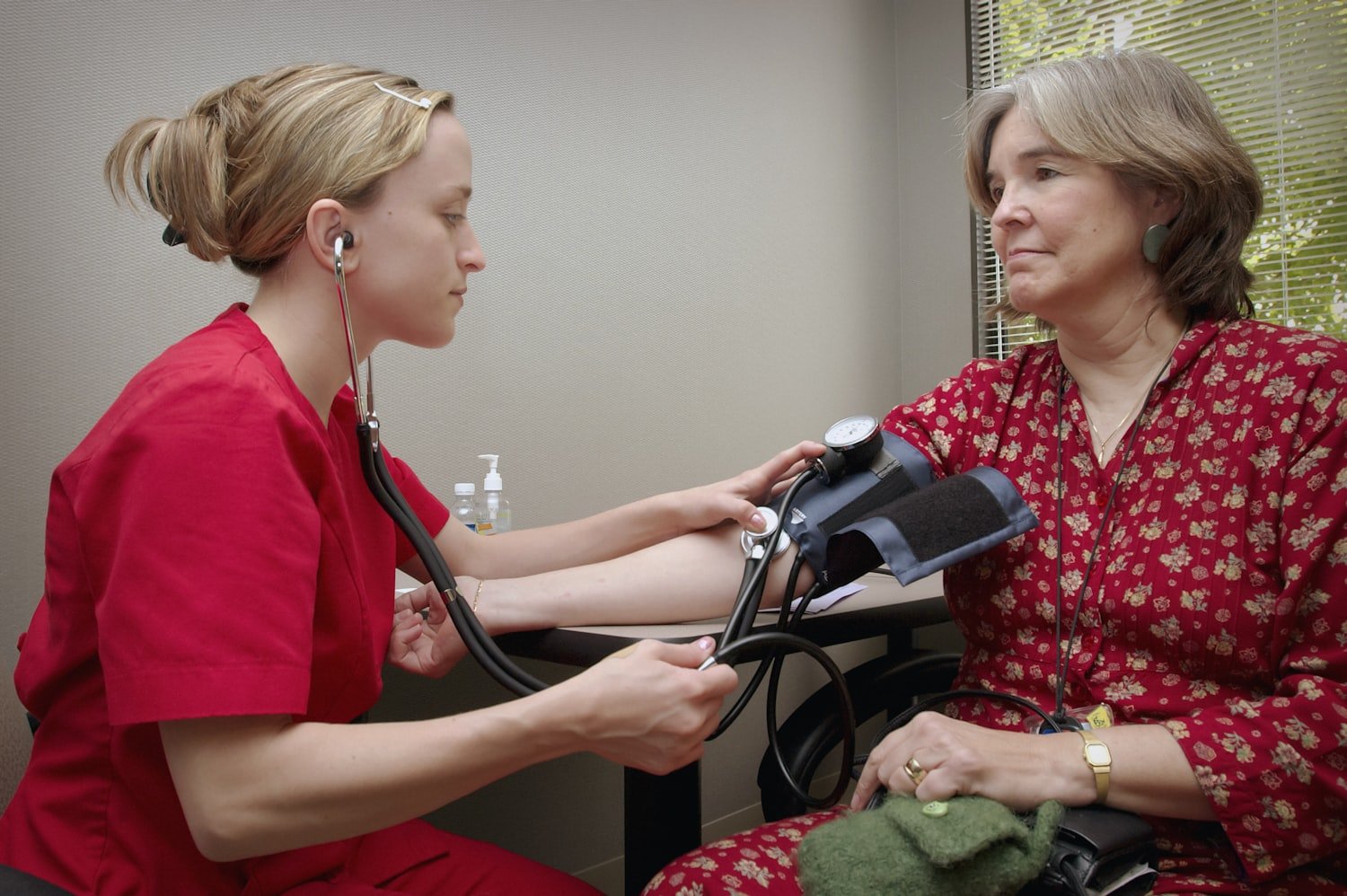
Enrolled veterans receive a comprehensive medical benefits package, which generally includes preventive and primary care, specialty care, mental health services, prescriptions, and hospital care.
Mental health services deserve specific mention, since they’re a frequent reason veterans first engage with the system. Our guide to the Be the One initiative and Buddy Checks covers the crisis-support side, which operates independently of enrollment status.
After You Enroll: What Actually Happens
Enrollment isn’t the finish line, and knowing the next steps prevents the common outcome where someone enrolls and then never engages.
- You’ll receive a decision letter confirming enrollment and your assigned priority group.
- You’ll be assigned a facility. For much of the mid-Willamette Valley that means traveling to a VA medical center or a community-based outpatient clinic.
- Schedule a first primary care appointment. This establishes you as an active patient and creates the baseline record that makes future care and claims easier.
- Ask about community care. When VA facilities are too distant or wait times too long, veterans may be eligible to receive care from local providers at VA expense — our guide to the community care drive-time and wait-time standards lists the exact thresholds.
- Ask about travel reimbursement. Some veterans qualify for mileage reimbursement to appointments — relevant when the nearest facility is an hour away. See our guide to who qualifies for VA travel pay and the 30-day filing deadline.
- Ask about dental separately. Enrolling in health care doesn’t include dental — eligibility runs on its own classes, explained in our guide to who actually qualifies for VA dental care.
Getting Help With the Application
An accredited service officer will walk through enrollment with you at no charge, and can identify eligibility pathways — exposure-based categories in particular — that aren’t obvious from the form.

That’s the same free assistance covered in our guide to American Legion service officers, and in Oregon, county veteran service officers handle both federal and state programs in one appointment.
Frequently Asked Questions
Do I need a disability rating to get VA health care?
No. Eligibility is based on service history, and factors including income, deployment, and special circumstances. Many enrolled veterans have no disability rating.
What form do I need to enroll?
VA Form 10-10EZ. You can submit it online, by phone, by mail, or in person at a VA facility.
Does enrolling cost anything?
No. Enrollment itself is free. Depending on your priority group, copays may apply to some care — but treatment for service-connected conditions is always cost-free.
Can I keep my private insurance or Medicare?
Yes. VA health care works alongside other coverage; enrolling doesn’t require dropping anything.
What are priority groups for?
The VA assigns each enrolled veteran to one of eight groups based on disability rating, service circumstances, and income. Lower-numbered groups receive enrollment priority and generally have lower costs.
Should I enroll if I’m healthy and don’t need care?
Many veterans do, because enrollment is free, establishes a record within the system, and is easier to complete now than during a future health or financial crisis.
One Form, Kept Open
Enrolling doesn’t commit you to anything — it just keeps a door open that’s harder to open later. If you want help with the paperwork, call Post 51 at (541) 451-1351 and ask about accredited service officer assistance.