

Veterans Day falls on November 11 for a reason that has nothing to do with convenience: the guns of World War I fell silent at the eleventh hour of the eleventh day of the eleventh month, 1918.
The country once tried moving the holiday to a Monday. It went badly enough that Congress reversed it. Here’s the full story, plus the answer to the apostrophe question everyone gets wrong.
It Started as Armistice Day
The armistice ending fighting on the Western Front took effect at 11:00 a.m. on November 11, 1918. Americans began marking the anniversary the following year, and in 1938 Congress made Armistice Day a legal federal holiday.
As originally conceived, it honored World War I veterans specifically — and carried a hopeful subtext that the war just ended had been the last of its kind. As the National WWI Museum and Memorial documents, the original congressional language framed the day around “exercises designed to perpetuate peace through good will.”
Why the Eleventh Hour Specifically
The armistice was actually signed early that morning, around 5:00 a.m. French time. The ceasefire was then set to begin at 11:00 a.m. — a delay negotiated partly for the symmetry of the date.
The symbolism came at a cost that’s rarely mentioned. Fighting continued for those final six hours, and men died on the morning of November 11 in an outcome already decided. That grim detail is part of why the hour itself, not just the day, became the focal point of remembrance.
The Man Who Changed It
World War II ended that hope, and it also produced millions of new veterans that Armistice Day, by its own terms, didn’t include.
In 1945, an Army veteran named Raymond Weeks proposed expanding the holiday to honor all veterans rather than only those of World War I. He led a delegation to General Dwight Eisenhower, who backed the idea. Representative Ed Rees of Kansas carried the bill in Congress.
On May 26, 1954, President Eisenhower signed the law making November 11 a day to honor American veterans of every war. Armistice Day became Veterans Day.
Why There’s No Apostrophe
It is Veterans Day — not Veteran’s Day, not Veterans’ Day. This is the single most common Veterans Day error, and the reasoning is deliberate.
An apostrophe would make the day belong to veterans, singular or plural. The Department of Veterans Affairs’ position is that the day doesn’t belong to veterans — it’s a day for honoring them. No possession, no apostrophe.
The Seven Years Veterans Day Wasn’t on November 11
Here’s the chapter most people have never heard.
In 1968, Congress passed the Uniform Monday Holiday Act, shifting four federal holidays — Washington’s Birthday, Memorial Day, Columbus Day, and Veterans Day — to Mondays to create three-day weekends and encourage travel.
The first Veterans Day under the new law landed on October 25, 1971.
It didn’t take. The date’s meaning was the whole point of the holiday, and moving it off November 11 severed the connection to the armistice. Many communities simply ignored the change and kept observing on the 11th. Public dissatisfaction was sustained enough that President Gerald Ford signed legislation returning Veterans Day to November 11, effective in 1978.
| Year | What Changed |
|---|---|
| 1918 | Armistice takes effect on the 11th hour of November 11 |
| 1938 | Armistice Day becomes a legal federal holiday |
| 1954 | Eisenhower signs the law renaming it Veterans Day |
| 1971 | Moved to the fourth Monday in October under the Uniform Monday Holiday Act |
| 1978 | Returned to November 11 after public objection |
Veterans Day vs. Memorial Day, Briefly
Veterans Day honors all who served — living and deceased. Memorial Day, the last Monday in May, specifically honors those who died in service.
The practical difference: “thank you for your service” is a Veterans Day greeting. Memorial Day calls for something quieter. Our guide to Memorial Day in Lebanon, Oregon covers that observance and the distinction in more depth.
How to Actually Observe It
Beyond posting online, a handful of things genuinely land.
- Attend a local ceremony. Most communities hold one, and attendance is what keeps them running.
- Pause at 11:00 a.m. The hour is the holiday’s origin. A moment of silence costs nothing and means something.
- Say something specific. “Where did you serve?” opens a conversation; “thank you for your service” often closes one.
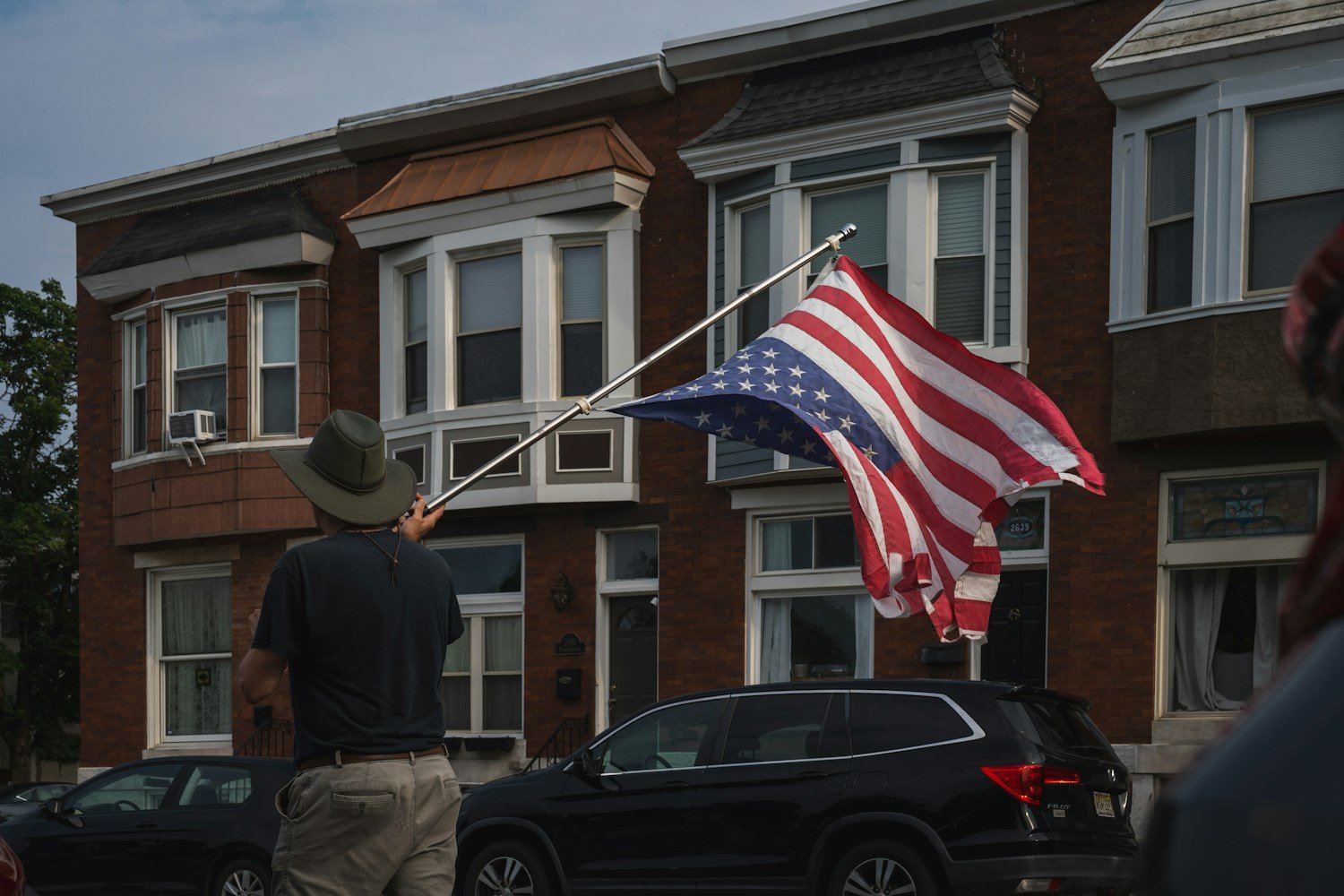
- Fly the flag correctly. Our flag etiquette guide covers the rules, including the illumination requirement after dark.
- Check on a veteran you know. Holidays can be isolating. See how Buddy Checks work for what that looks like in practice.
- Support the organizations doing year-round work. One day of attention is pleasant; sustained support is useful.

What Veterans Actually Say About the Day
Ask enough veterans and a few consistent themes come up — worth knowing before November 11 arrives.
- Not every veteran wants attention. Some appreciate public recognition; others find it uncomfortable. Following their lead beats assuming.
- Combat isn’t the qualifier. Veterans who never deployed sometimes feel they don’t “count” on Veterans Day. They do — service is service.
- The day can be complicated. For someone who lost friends, a holiday about survival carries mixed feelings.
- Specific beats generic. Asking what someone did, where they were stationed, or what they miss about it invites a real exchange.
A Note for Businesses and Schools
Veterans Day is a federal holiday, so federal offices and most banks close. Schools and private businesses vary widely — many stay open, and many offer veteran discounts.
If you run a business and want to do something meaningful, veterans consistently report that steady hiring practices and flexible scheduling around VA appointments matter more than a one-day promotion.
Frequently Asked Questions
Why is Veterans Day on November 11?
Because the World War I armistice took effect at the eleventh hour of the eleventh day of the eleventh month in 1918.
Is it Veterans Day, Veteran’s Day, or Veterans’ Day?
Veterans Day, with no apostrophe. The day doesn’t belong to veterans — it’s a day for honoring them.
When did Armistice Day become Veterans Day?
President Eisenhower signed the law on May 26, 1954, after Army veteran Raymond Weeks campaigned to expand the holiday to honor veterans of all wars.
Was Veterans Day ever on a different date?
Yes. From 1971 to 1977 it was observed on the fourth Monday in October under the Uniform Monday Holiday Act. Public objection led to its return to November 11 in 1978.
What’s the difference between Veterans Day and Memorial Day?
Veterans Day honors all who served, living and deceased. Memorial Day specifically honors those who died in service.
Do businesses close on Veterans Day?
Federal offices and most banks close. Schools and private businesses vary — many remain open.
November 11 in Lebanon
Post 51 has been part of Lebanon since 1926, and Veterans Day is one of the days that purpose is most visible. To find out what the Post has planned, call (541) 451-1351, or read about how The American Legion was founded by veterans of the very war that gave this holiday its date.