
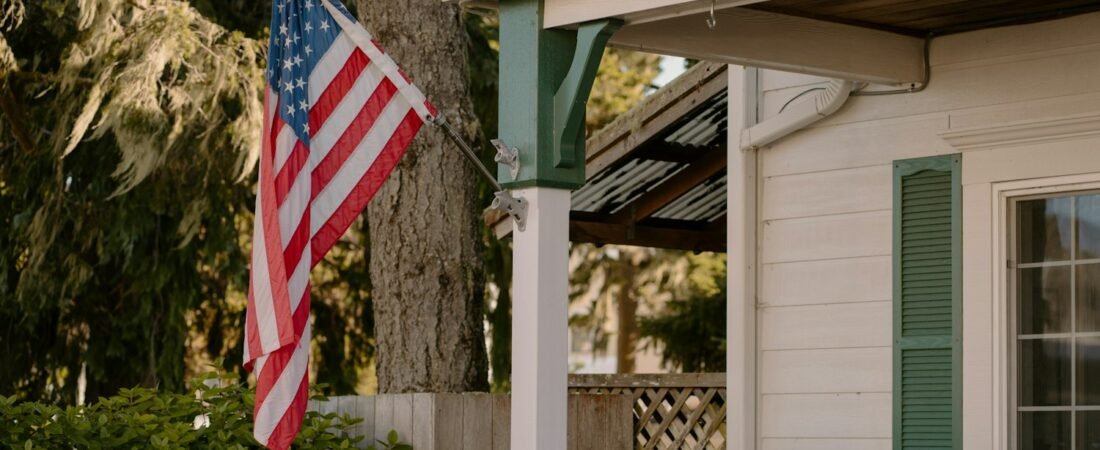
Most people who fly an American flag want to do it right — they’re just not sure what “right” actually means. Can it stay up overnight? What happens when it gets torn? Is it really illegal to let it touch the ground?
Here are the real rules, the common mistakes, and what to do with a flag that’s too worn to fly — including where to take one in Lebanon, Oregon.
First, an Important Clarification About the Flag Code
The U.S. Flag Code sets out how the flag should be displayed and handled. But here’s what most guides skip: it’s written in advisory language, and the Supreme Court has held that private citizens can’t be criminally punished for how they treat the flag.
So the Flag Code isn’t a criminal statute for individuals — it’s a widely respected standard of etiquette. That distinction matters, because it reframes the whole subject: following it is about showing respect deliberately, not avoiding a fine.
Proper vs. Improper Flag Display
Most etiquette questions come down to a handful of recurring situations. Here’s the quick reference.
| Situation | Proper | Improper |
|---|---|---|
| Display hours | Sunrise to sunset, or overnight if properly illuminated | Left out overnight in the dark, unlit |
| Bad weather | Taken down, unless it’s an all-weather flag | Flown in rain, snow, or heavy wind if not all-weather |
| Union (blue field) | Upper left, closest to the pole | Reversed or upside down (a distress signal, not decoration) |
| With other flags | U.S. flag highest, or equal height with other nations’ flags | Flown below a state, org, or other national flag |
| As material | Flown or displayed as a flag | Made into clothing, bedding, napkins, or disposable items |
| Carrying it | Held aloft and free | Carried flat or horizontally |
| Half-staff | Ordered by the President or a state governor | Lowered by individuals on their own initiative |

The Half-Staff Detail Almost Everyone Gets Wrong
When lowering a flag to half-staff, it should first be raised briskly all the way to the top of the pole, then lowered to the half-staff position. At the end of the day, it’s raised to the peak again before being brought down.
Half-staff means literally halfway between the top and bottom of the staff — not just “somewhat lowered.”
Does the Flag Really Have to Be Destroyed If It Touches the Ground?
No — this is one of the most persistent myths. The Flag Code says the flag shouldn’t touch the ground, but nothing says a flag that does must be retired. If it’s still clean and in good condition, it can keep flying.
When It’s Time to Retire a Flag
A flag should be retired when it’s no longer a fitting emblem for display — typically meaning it’s badly faded, frayed at the fly end, torn, or permanently stained. There’s no fixed lifespan; an all-weather flag flown year-round will simply wear out faster than one flown occasionally.

How to Retire a Flag: Your Options Compared
| Method | What’s Involved | Best For |
|---|---|---|
| Drop off at a Legion post | Bring the flag in; it’s retired in the post’s next formal ceremony | Almost everyone — simplest and most respectful option |
| Ceremonial burning | Fold the flag, build a fire large enough to fully consume it, remain until finished, then bury the ashes | Those able to burn safely and legally on their property |
| Burial | Fold into the traditional triangle, place in a wooden box, bury with a moment of silence | When open burning isn’t safe or permitted |
The U.S. Army’s own guidance on retiring worn flags confirms burning as the preferred method, with the key requirement being that it’s done respectfully and completely — not treated as trash disposal.
What a Formal Retirement Ceremony Looks Like
American Legion flag retirement ceremonies follow a set structure. Participants form two facing rows with a fire beyond them. Flags are presented to post commanders for inspection and confirmed as unserviceable. A color guard presents the colors, a chaplain offers a prayer, and the flags are then committed to the fire with everyone present standing at attention.
It’s a genuinely solemn event — closer in tone to the military funeral honors the Honor Guard renders than to a housekeeping chore.

Caring for a Flag So It Lasts Longer
A little maintenance meaningfully extends a flag’s usable life, which means fewer retirements and less expense over time.
- Take it down in severe weather. High wind does more damage than anything else — it’s what frays the fly end first.
- Wash it when it gets dirty. Nothing in the Flag Code prohibits cleaning a flag. A gentle wash and air dry is perfectly appropriate and keeps stains from setting permanently.
- Repair small tears early. Minor mending is acceptable as long as the repair isn’t obvious and the flag still looks dignified when flying.
- Rotate two flags if you fly year-round. Alternating between two flags roughly doubles how long each one lasts.
- Check the pole hardware. A rough clip or burr on the halyard will chew through the header far faster than weather will.
Where to Retire a Flag in Lebanon, Oregon
Flag retirement is part of the American Legion’s core mission nationally, and Post 51 is the natural local drop-off point. Bring worn flags to the Post at 480 South Main Street, or call (541) 451-1351 first to confirm the best time.
You don’t need to be a member, a veteran, or connected to the Post in any way — accepting the community’s worn flags is simply part of what a Legion post does. If you’d like to know more about the organization while you’re there, our Lebanon membership guide covers who’s eligible.

Frequently Asked Questions
Can I fly the American flag at night?
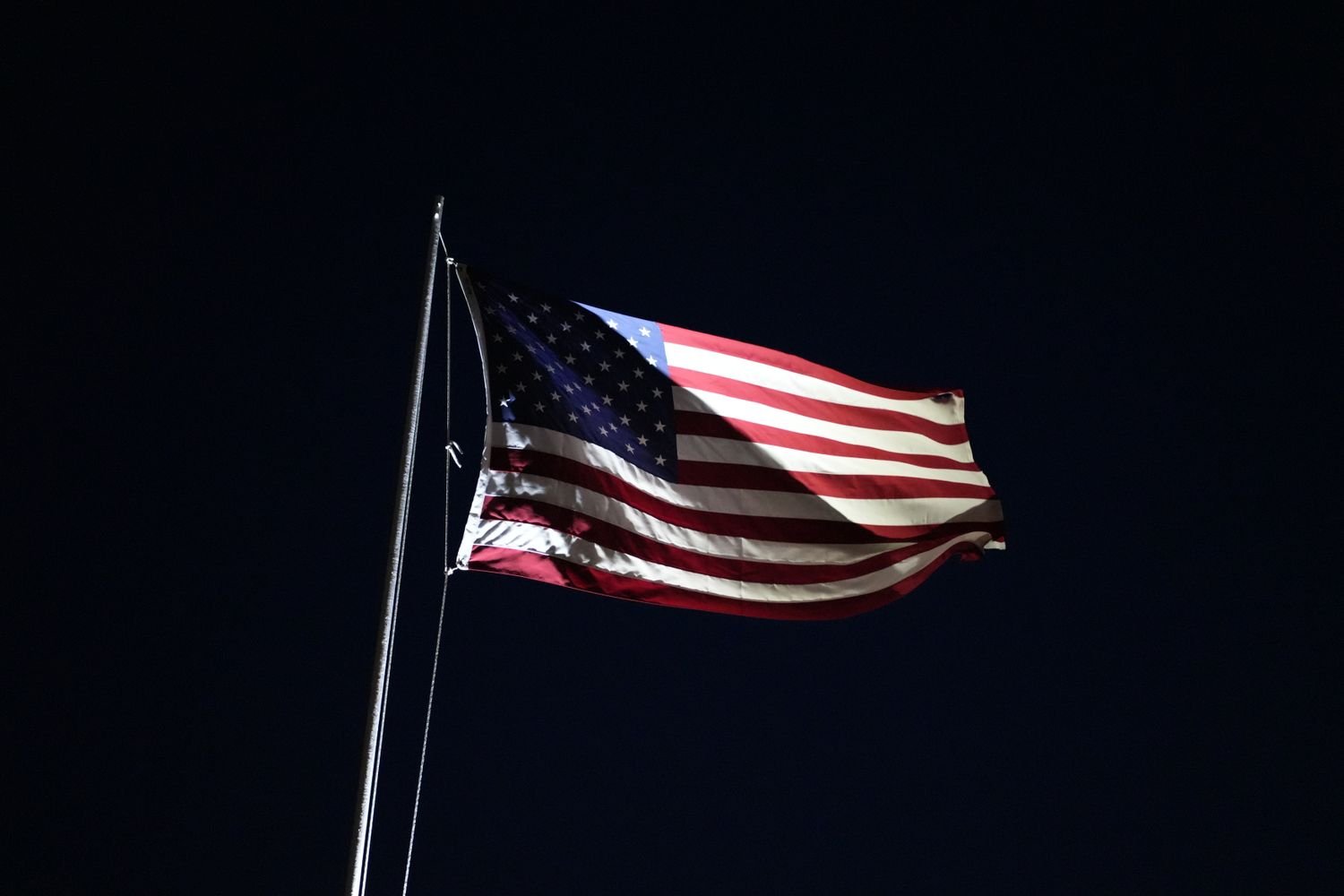
Yes, if it’s properly illuminated. The default custom is sunrise to sunset, but a lit flag may be flown around the clock.
Is it illegal to let the flag touch the ground?
No. The Flag Code advises against it, but it isn’t a criminal offense for private citizens, and a flag that touches the ground does not have to be destroyed if it’s still in good condition.
Who can order flags to half-staff?
Only the President of the United States or a state governor. Individuals lowering their own flag to half-staff on other occasions is a common but improper practice.
Where can I take a worn flag in Lebanon, Oregon?
American Legion Post 51 at 480 South Main Street accepts worn flags for proper retirement. Call (541) 451-1351 to arrange drop-off.
Can I just throw an old flag away?
Placing a flag in the trash is considered disrespectful. Retiring it by ceremonial burning or burial — or handing it to a Legion post that will do so — is the accepted practice.
Does it cost anything to have a flag retired?
No. Legion posts accept worn flags from the public at no charge as part of their mission.
Respect Is the Point
Flag etiquette isn’t about memorizing regulations — it’s about treating a symbol with intention. If you have a flag that’s seen its last season, Post 51 will take care of it properly. Call (541) 451-1351 or read about the Post’s Memorial Day observance to see the same principle at work.