

The single most consequential piece of American social legislation of the twentieth century was written by hand, in a hotel room, by a lawyer from Kansas who happened to be a past national commander of The American Legion.
His name was Harry W. Colmery, and the document he drafted became the GI Bill. Here’s how it happened and what it did.
The Problem They Were Trying to Avoid
By late 1943, it was clear the Allies would win, and equally clear that millions of servicemen would come home to an economy with no room for them. The Legion’s founders had watched what happened to earlier generations of veterans, and the memory of the 1932 Bonus Army — WWI veterans marching on Washington to demand promised payments — was still fresh.
The Legion decided the answer was to write the legislation itself rather than lobby someone else to.
Five Months in the Mayflower Hotel
Harry Colmery was a World War I veteran and a past national commander of The American Legion. In December 1943, working from a room in Washington’s Mayflower Hotel, he began translating the organization’s proposals into legislative language — writing page after page by hand.
The committee presented the finished work on January 8, 1944. President Roosevelt signed the Servicemen’s Readjustment Act into law on June 22, 1944.
Colmery’s handwritten draft survives. The VA’s own historical collection holds the document — ordinary hotel stationery covered in the handwriting that reshaped postwar America.

What the GI Bill Actually Provided
| Provision | What It Did |
|---|---|
| Education & training | Tuition and living stipends for college, vocational school, or on-the-job training |
| Home loan guaranty | Government-backed mortgages with little or no down payment |
| Business & farm loans | Backed loans for veterans starting businesses or buying farms |
| Unemployment support | Weekly payments while veterans looked for work |
| Job placement | Employment services for returning servicemembers |
The Numbers Are Genuinely Staggering
Between 1945 and 1956, the GI Bill put more than eight million World War II veterans through education and training:
- 2.2 million attended college.
- 3.5 million attended technical or vocational school.
- 700,000 received agricultural training.
Roughly half of all WWII veterans used at least one part of the bill.

And Then There’s Housing
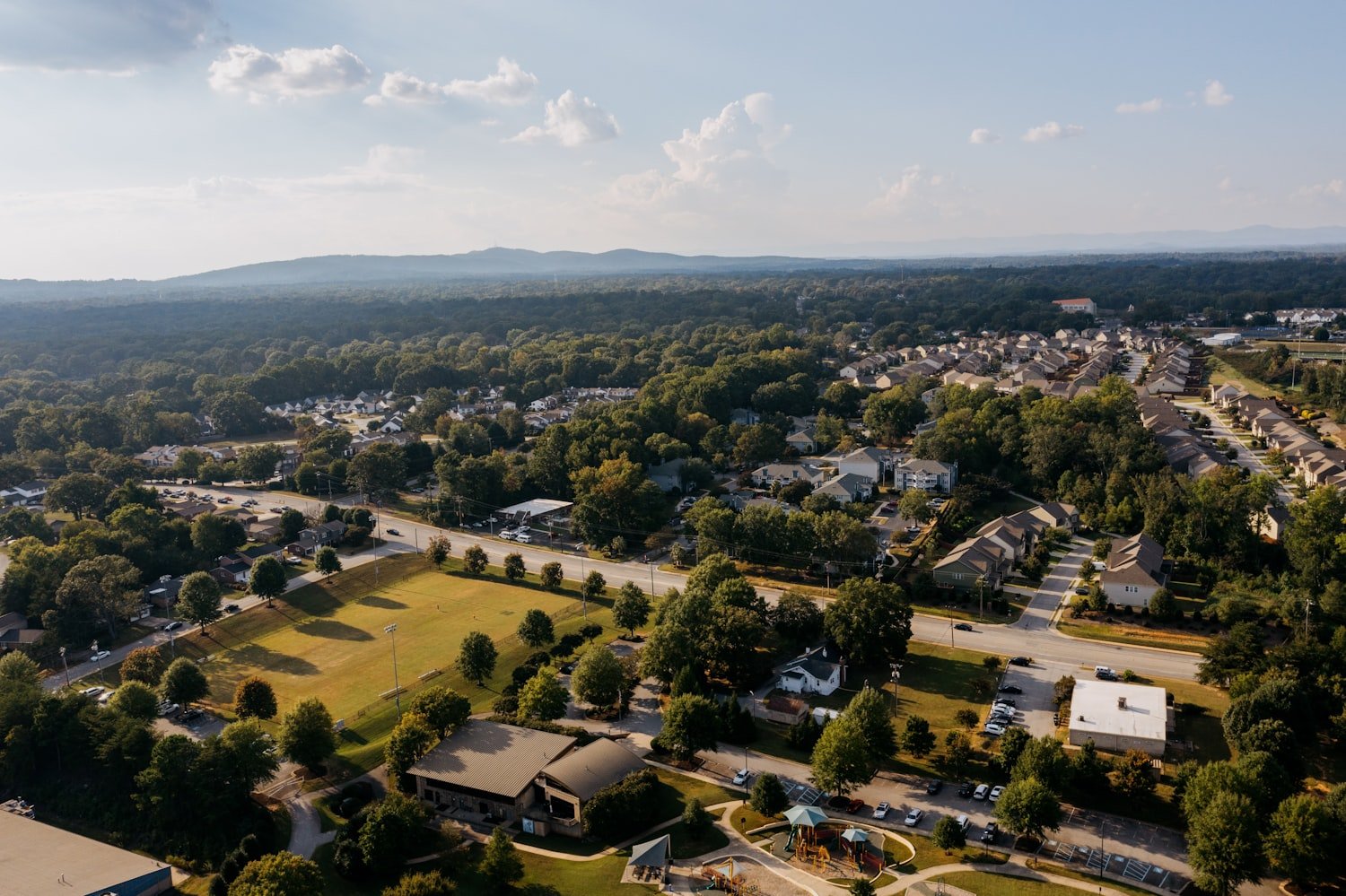
From 1944 to 1952, the VA backed nearly 2.4 million home loans. By 1955 that figure had reached 4.3 million, with a total face value around $33 billion.
Veterans purchased roughly 20 percent of all new homes built in the years after the war. The American suburb, as a mass phenomenon, is substantially a GI Bill artifact.
It Almost Didn’t Pass
The bill’s passage looks inevitable in hindsight. It wasn’t.
Opposition came from several directions at once. Some university leaders argued that admitting millions of veterans would flood campuses with unqualified students and degrade academic standards. Some in Congress worried the unemployment provision would discourage men from looking for work. Others simply balked at the cost.
In June 1944 the bill stalled in conference committee, with House conferees deadlocked 3–3. The tie-breaking vote belonged to Rep. John Gibson of Douglas, Georgia — who was home in rural Georgia recovering from an illness.
The committee agreed to meet once more the following day. If the deadlock held, the bill died. Legion leaders launched a frantic search for Gibson, who was driven through a rainstorm in the middle of the night and flown to Washington, arriving in time to cast his vote on June 10 and break the bill out of committee.
The Senate approved the final version on June 12, the House on June 13, and Roosevelt signed it on June 22. The most transformative domestic legislation of the century came within roughly twelve hours of dying in a committee room.
The predictions of academic collapse aged particularly badly, too. Veterans admitted under the GI Bill were widely reported by faculty to be more serious and higher-performing than typical prewar students — older, focused, and acutely aware of what the opportunity had cost.
The Part Nobody Expected: It Paid for Itself
By 1956, when the original bill expired, its education and training provisions had cost about $14.5 billion — a figure critics had warned would be ruinous.
The VA’s own analysis concluded that the resulting increase in federal income tax revenue alone covered the entire cost several times over. Veterans educated on the bill earned more, and paid more tax, than they otherwise would have.
It remains one of the cleanest arguments in American policy history that investing in people is not the same as spending money on them.
An Honest Note About Who Benefited
The GI Bill was written as race-neutral legislation but administered locally, and that distinction mattered enormously. Black veterans faced discriminatory lending practices, segregated institutions, and local administrators who denied benefits the law entitled them to.
The bill’s transformative effects were therefore distributed unevenly, and historians widely regard this as a significant contributor to the postwar wealth gap. Acknowledging that doesn’t diminish what the legislation achieved — it’s part of understanding it accurately.
The Line From 1944 to Today
The original bill expired in 1956, but the framework never went away. Successor programs — including the Montgomery GI Bill and the Post-9/11 GI Bill — descend directly from Colmery’s draft.
In 2017, Congress passed the Harry W. Colmery Veterans Educational Assistance Act, informally the “Forever GI Bill,” named for the man who wrote the original in a hotel room 73 years earlier.
Veterans navigating those benefits today can get free help from accredited representatives — our guide to American Legion service officers covers education benefits alongside disability claims.

Why This Sits With the Legion’s Founding
The GI Bill wasn’t a departure from what the organization was built to do — it was the fullest expression of it. The same instinct that produced the Veterans Bureau in 1921, documented in our account of how The American Legion was founded in 1919, produced the GI Bill twenty-three years later.
Organize first, write the policy yourself, don’t wait to be helped.
Frequently Asked Questions
Who wrote the GI Bill?
Harry W. Colmery, a World War I veteran and past national commander of The American Legion, drafted it by hand in Washington’s Mayflower Hotel beginning in December 1943.
When was the GI Bill signed?
President Franklin D. Roosevelt signed the Servicemen’s Readjustment Act into law on June 22, 1944.
How many veterans used the original GI Bill?
More than eight million World War II veterans used its education and training provisions between 1945 and 1956 — roughly half of all WWII veterans used some part of the bill.
Did the GI Bill really pay for itself?
The VA estimated that the increase in federal income tax revenue from better-educated veterans covered the bill’s entire education cost several times over.
Did all veterans benefit equally?
No. Although written as race-neutral law, local administration and discriminatory lending meant Black veterans were often denied benefits they were legally entitled to.
Does the GI Bill still exist?
Yes, through successor programs including the Post-9/11 GI Bill. The 2017 Forever GI Bill is formally named the Harry W. Colmery Veterans Educational Assistance Act.
Worth Remembering
Next time someone dismisses a veterans organization as a social club, it’s worth mentioning that one of them wrote the GI Bill. To learn about Post 51 and the Legion Family, see our membership guide or call (541) 451-1351.