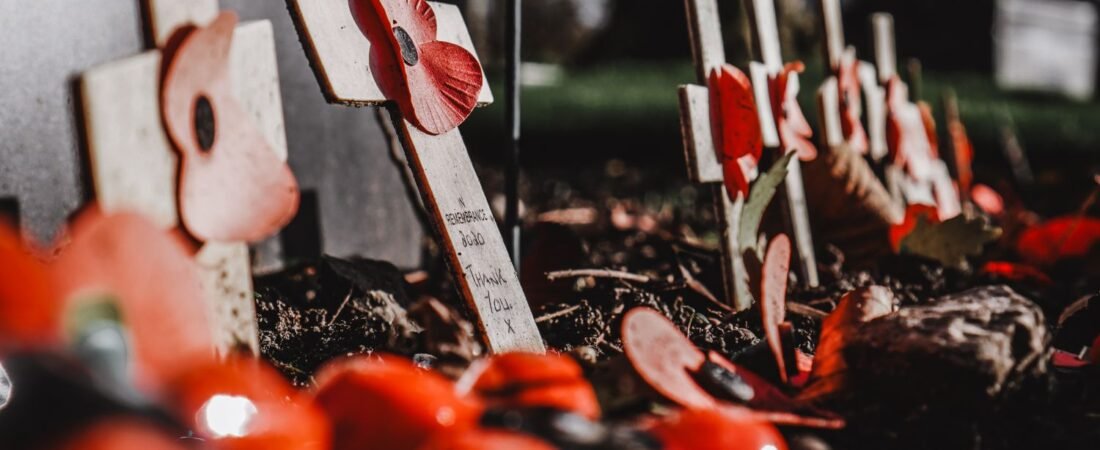
If someone has ever handed you a small red paper flower and asked for a donation “for the veterans,” you’ve taken part in one of the American Legion Family’s oldest traditions: the poppy. Most people who’ve received one couldn’t tell you why it’s a poppy specifically, or where the tradition even started.
The answer traces back more than a century, to a poem written in the middle of a World War I battlefield — and it’s a more interesting story than most people who’ve donated a dollar for a poppy ever hear.
The Poem That Started It All
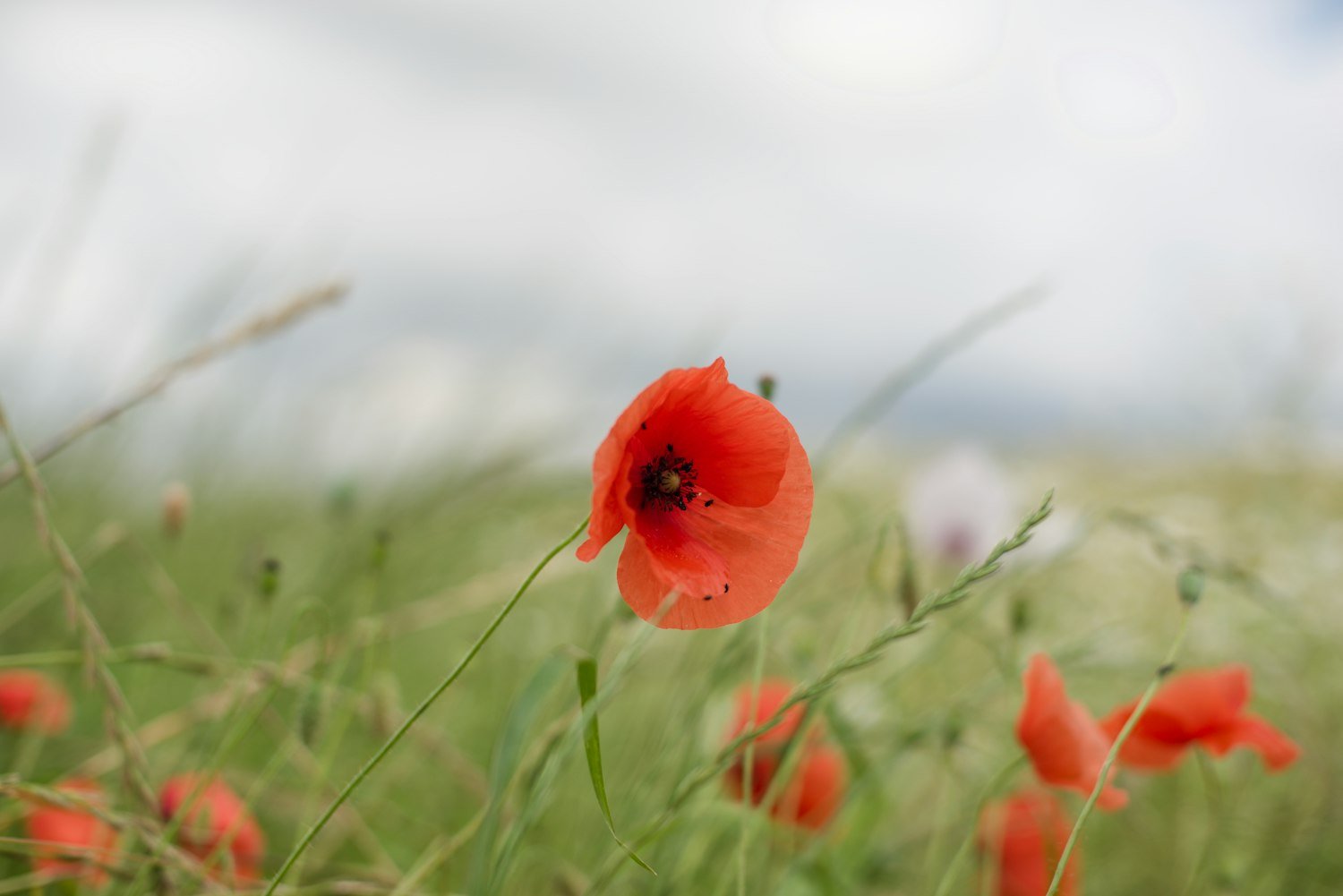
In May 1915, Canadian physician and soldier Lieutenant Colonel John McCrae presided over the funeral of a friend killed in the Second Battle of Ypres. The next day, sitting near the battlefield, he wrote a poem about the wild poppies he’d noticed growing between the rows of soldiers’ graves.
That poem, “In Flanders Fields,” opens with lines now etched into remembrance ceremonies worldwide:
“In Flanders fields the poppies blow
Between the crosses, row on row,
That mark our place; and in the sky
The larks, still bravely singing, fly
Scarce heard amid the guns below.”
Published in December 1915, the poem spread quickly and became one of the most recognized pieces of writing to come out of the war.
From Poem to Symbol: How the Poppy Became Official
The poem inspired an American professor, Moina Michael, to campaign for the poppy as a permanent symbol of remembrance for fallen service members. Her advocacy worked. On September 27, 1920, the poppy officially became the memorial flower of the American Legion Family, and by 1924, poppy distribution had grown into a full national program.
| Year | Milestone |
|---|---|
| 1915 | John McCrae writes “In Flanders Fields” after a friend’s funeral during WWI |
| 1918 | Moina Michael begins advocating for the poppy as a symbol of remembrance |
| 1920 | The poppy is officially adopted as the American Legion Family’s memorial flower |
| 1924 | Poppy distribution becomes a national American Legion Auxiliary program |
| Today | Legion Family members distribute millions of poppies annually for veteran support |
The Woman Who Made It a Movement
Moina Michael didn’t just admire McCrae’s poem — she acted on it. Reading it days before the WWI armistice in 1918, she vowed on the spot to always wear a red poppy as a symbol of remembrance, and began campaigning for others to do the same.
She wasn’t alone for long. French humanitarian Anna Guérin picked up the idea and pushed it further, organizing poppy sales in France to fund war orphans and bringing the concept to veterans’ organizations across the U.S., Canada, and the U.K. Between Michael’s advocacy at home and Guérin’s international push, the poppy went from one woman’s personal tribute to a movement several countries adopted within just a few years.
Where the Poppy Money Actually Goes
Poppy distribution isn’t a symbolic gesture alone — it’s a working fundraiser. According to the American Legion Auxiliary’s National Poppy Day program, donations collected in exchange for poppies go directly toward supporting disabled and hospitalized veterans, raising several million dollars nationally each year for medical and financial assistance.
Legion Poppy vs. VFW “Buddy Poppy”: What’s the Difference?
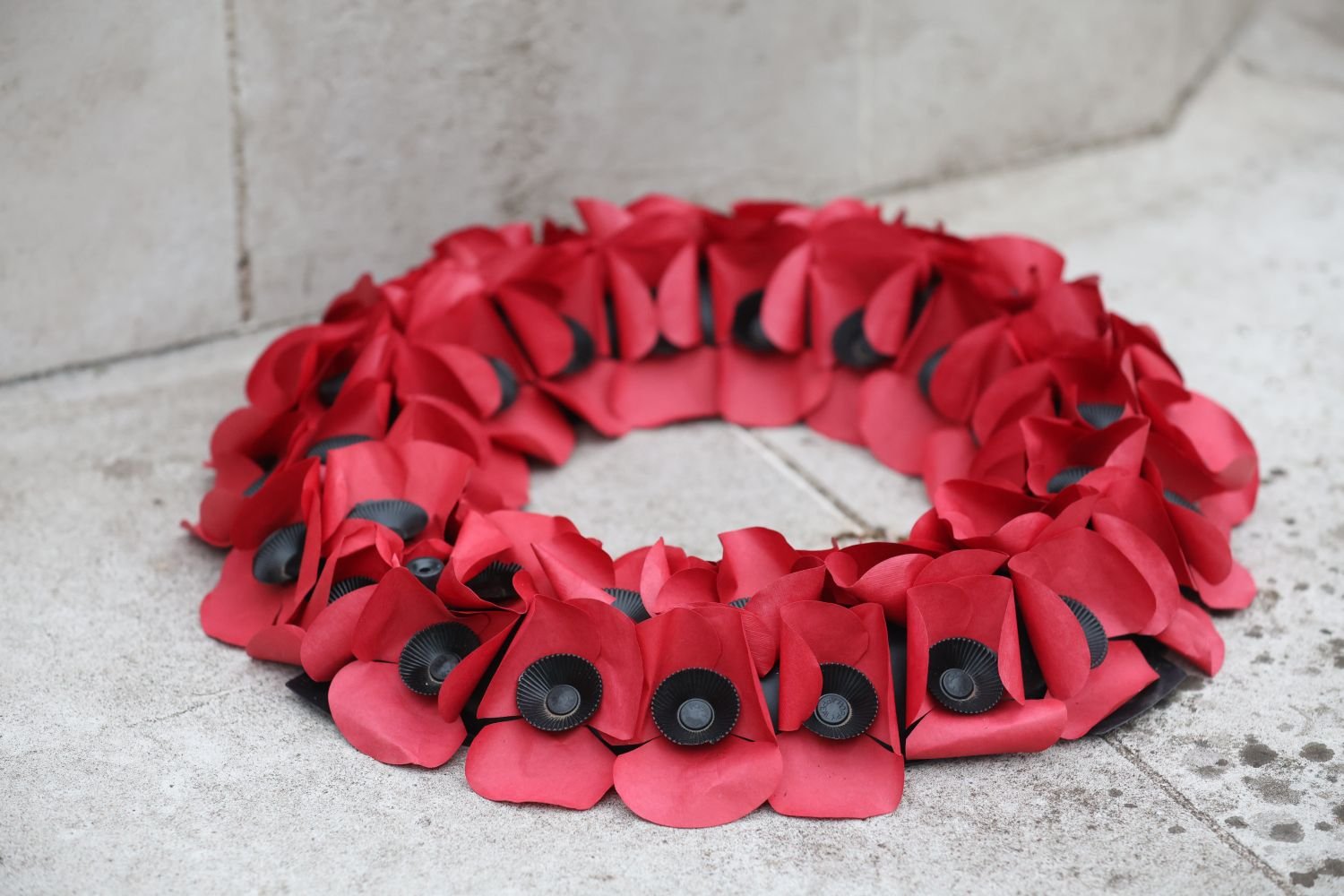
If you’ve seen both a Legion poppy and a “Buddy Poppy,” you’ve noticed two organizations running a very similar program. Here’s how they actually compare.
| American Legion Poppy | VFW Buddy Poppy | |
|---|---|---|
| Led by | American Legion Auxiliary | VFW Auxiliary |
| Adopted | 1920 | 1922 (trademarked “Buddy Poppy”) |
| Typically distributed | Around Memorial Day (“Poppy Day”) | Year-round, often near Memorial Day |
| Funds support | Disabled and hospitalized veterans | Disabled and needy veterans |
Both traditions share the same root — the poppy of Flanders Fields — and both fund essentially the same mission. Which one you encounter usually just depends on which organization’s volunteers are out that day.
Poppy Day at Post 51 and Auxiliary Unit #51
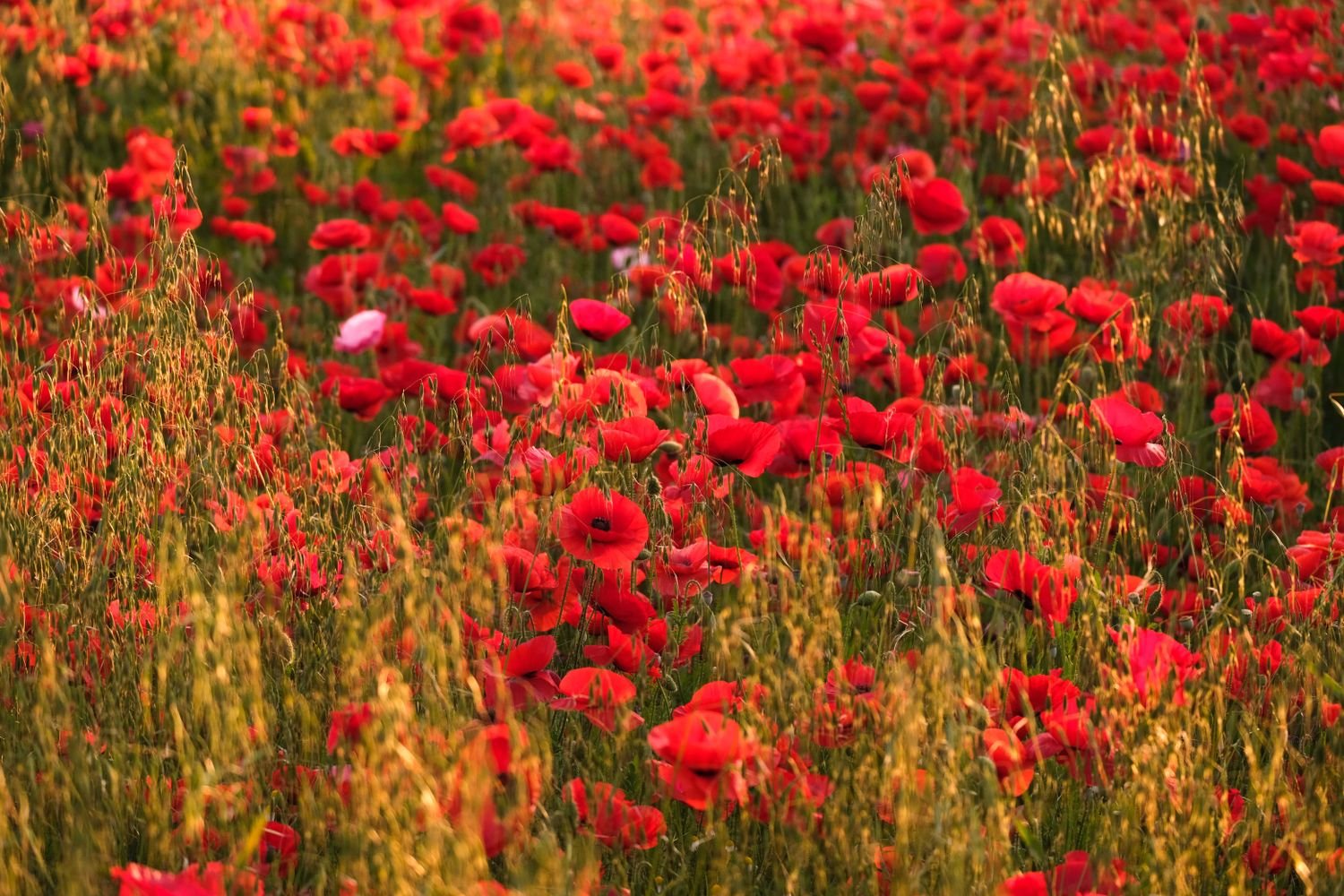
Locally, poppy distribution is carried out through American Legion Auxiliary Unit #51, which maintains a dedicated Poppy Chairman role as part of its officer structure. It’s one of the Auxiliary’s most visible community activities — a direct, in-person way Lebanon residents can support veterans without needing to be a Legion member themselves.
If you’re interested in the Auxiliary’s broader work beyond Poppy Day, our membership guide covers who’s eligible to join Unit #51 and how to get involved.
Common Poppy Myths, Cleared Up
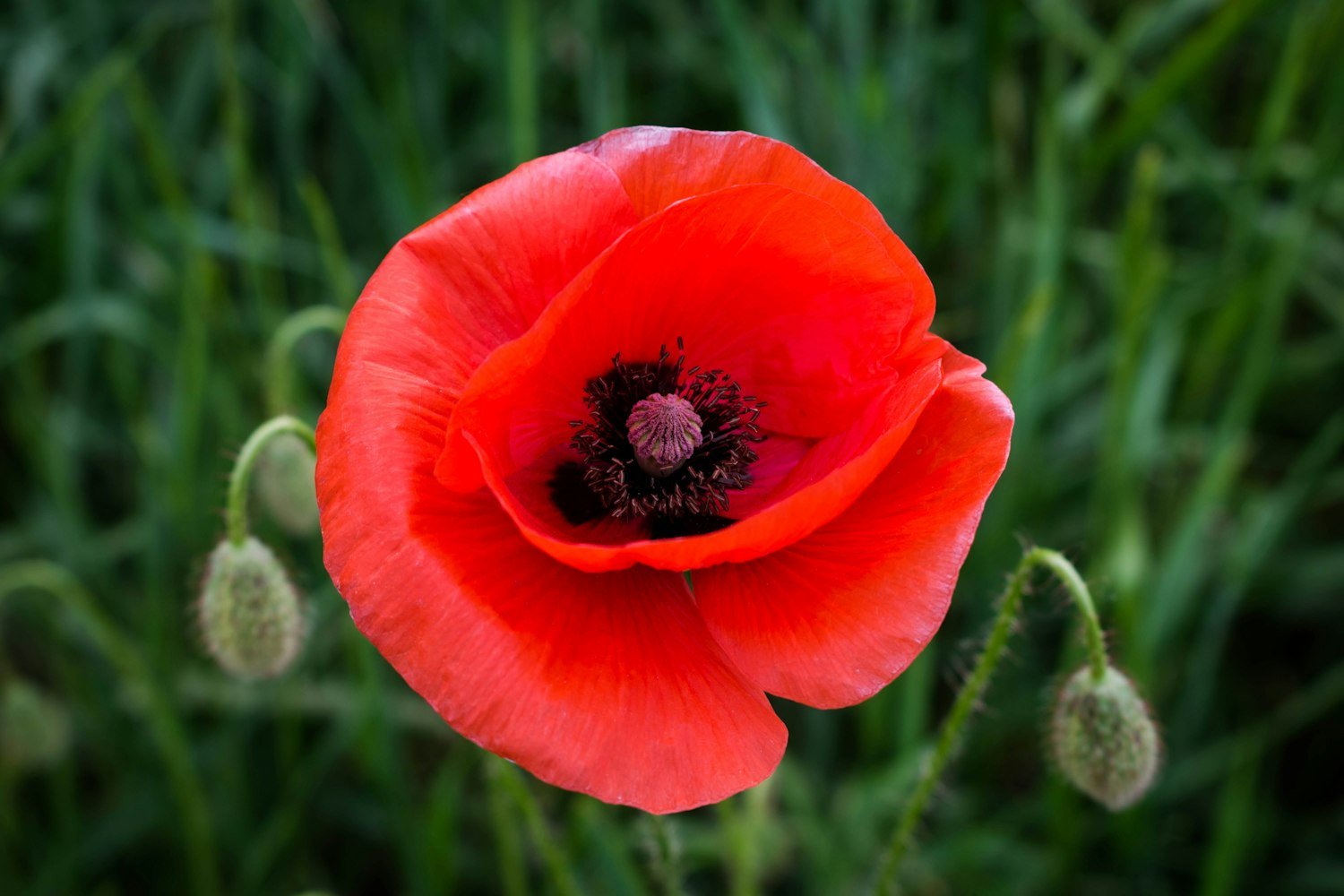
- “It’s just a fundraising gimmick.” The flower choice isn’t arbitrary marketing — it comes directly from a real WWI battlefield and a poem written at an actual funeral.
- “Only veterans can wear one.” Anyone can wear a poppy. It’s a symbol of remembrance and support, not a credential.
- “It’s only worn in the UK.” The poppy tradition is genuinely international — the U.S., Canada, the U.K., Australia, and New Zealand all adopted versions of it within a few years of each other, largely thanks to Guérin’s outreach.
- “Poppy Day and Veterans Day are the same thing.” They’re related in spirit but distinct — Poppy Day centers on the Auxiliary’s fundraising tradition, most active around Memorial Day, not November’s Veterans Day.
How to Get Involved
- Accept a poppy and donate. Any donation, however small, goes toward veteran support — there’s no set price.
- Wear it correctly. Tradition holds that the poppy is worn on the left side, over the heart.
- Volunteer with Unit #51. Contact Post 51 at (541) 451-1351 to ask about Poppy Day distribution and other Auxiliary activities.
- Pass along the history. Most people who wear a poppy have never heard the Flanders Fields story — sharing it keeps the tradition meaningful instead of just decorative.
Frequently Asked Questions
Why is the poppy specifically red?
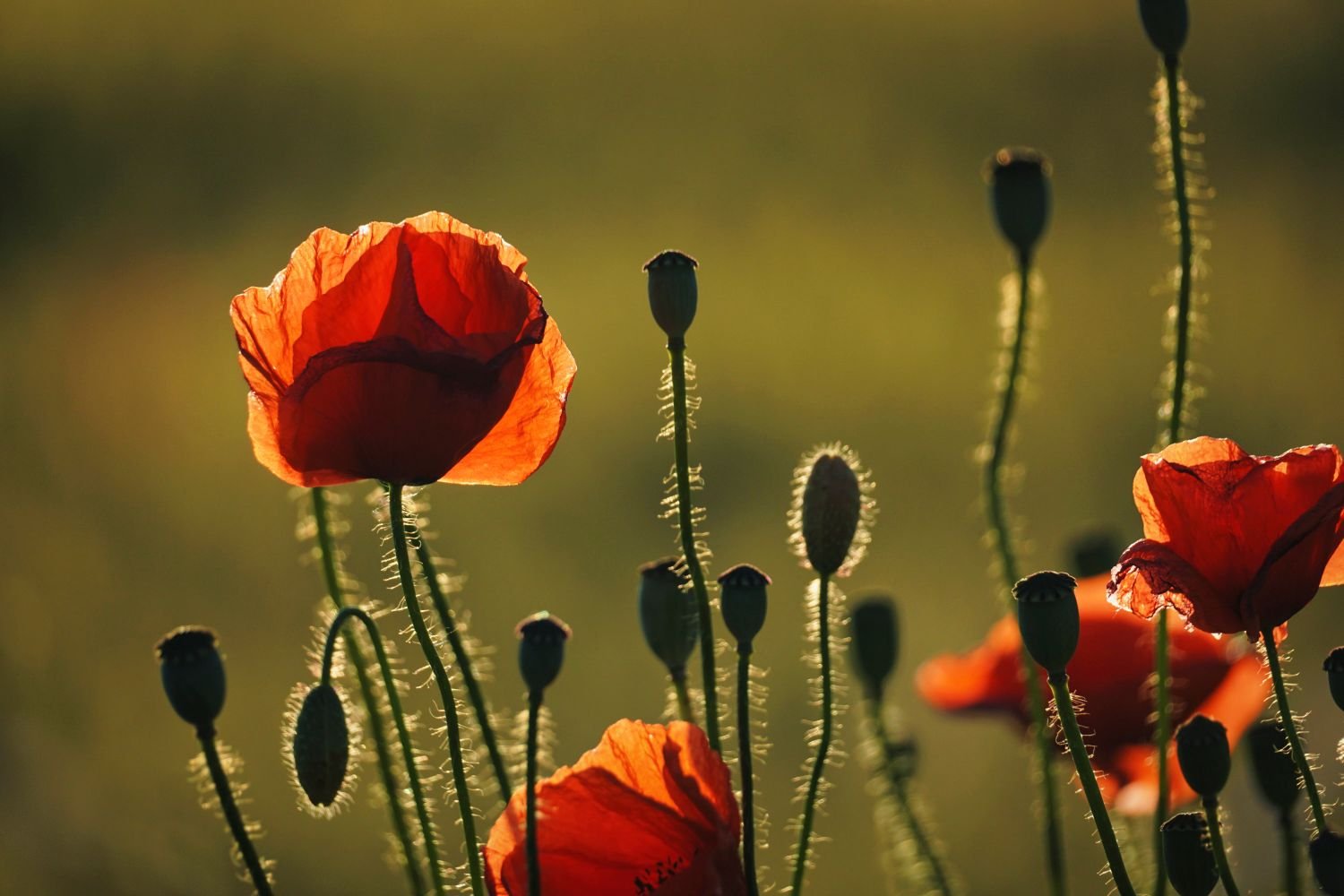
Red poppies were among the first flowers to grow in the churned, shell-damaged soil of WWI battlefields in Flanders, Belgium — the image that inspired John McCrae’s poem and, eventually, the flower’s adoption as a remembrance symbol.
Is there a “right” price to pay for a poppy?
No. Poppies are distributed for a voluntary donation, not sold at a fixed price — any amount supports the program.
What’s the difference between the Legion poppy and the VFW Buddy Poppy?
They’re separate programs run by different organizations’ Auxiliaries, but both use the same poppy symbol and fund similar veteran support efforts.
When is Poppy Day observed?
Poppy distribution is traditionally concentrated around Memorial Day, though individual posts and units may distribute poppies at other times as well.
Can I get involved with Unit #51’s Poppy Day even if I’m not a veteran?
Yes. The Auxiliary is open to eligible family members of veterans, and Poppy Day volunteering is one of its most accessible community activities. Contact Post 51 at (541) 451-1351 to learn more.
Wear One, Know the Story
The next time someone hands you a red poppy in Lebanon, you’ll know it’s not just a decoration — it’s a century-old promise, started by a poem, carried forward today by Auxiliary Unit #51 and Legion Family members everywhere. Learn more about Post 51’s history since 1926 or reach out at (541) 451-1351 to get involved.